

Introduction
Board games are investments—not only of money, but of memories, design effort, and craftsmanship. Whether it's a mass-produced classic or a lovingly designed custom game board you created under the umbrella of Board Game Customization, protecting your game from wear, spills, and scratches is essential to preserve its appearance and playability. Over time, cards get frayed, boards get scuffed, component edges chip, and liquids wreak havoc. This article offers a comprehensive, actionable guide for guarding your board game components—especially those you’ve customized—from damage and keeping them in showroom condition.
Understand the Vulnerabilities: Where & How Games Get Damaged
Before applying protection strategies, it helps to identify the weak points in board games. This understanding guides you toward focused preservation rather than generic advice.
Common sources of wear, scratches, and spills
Frequent handling / friction: Cards, player tokens, and tiles rub against each other and the box interior, causing edge wear and scuffing.
Spills and liquids: Drinks, condensation, food crumbs, or cleaning products slipping onto the board or components.
Abrasion and impact: When components are shifted inside the box, thrown or knocked over, they scratch against plastic trays, box walls, or other parts.
Sunlight and UV exposure: Over time, UV rays can fade printed surfaces and degrade laminates.
Humidity and moisture: Warping of wooden or heavy cardboard components.
Ink bleed and migration: Moisture or oils from hands can smear or smudge printed art, especially in self-print or custom game boards.
Why custom components are more vulnerable
With Board Game Customization, you might use unconventional materials (e.g. specialty paper, metallic foils, laser-cut wood, acrylic sheets). Some custom finishes lack factory protective coatings. Therefore, extra care is needed: your custom printed surfaces, hand-painted elements, and thick linen-finish boards may require stronger barrier layers than mass-market games do.
Knowing exactly where damage is likely—edges, seams, surfaces—lets you intervene smartly instead of applying “one-size-fits-all” strategies that may waste effort or even damage delicate custom parts.
Protective Materials & Coatings: Choosing the Right Barrier
You can’t prevent every risk, but with the right protective materials you can dramatically reduce it. This section covers how to choose and apply these materials in the context of Board Game Customization.
Lamination, clear coats, and varnishes
Cold laminate film (self-adhesive transparent sheets): Great for flat boards and large cards. Available in gloss, matte, and semi-matte finishes. Thick (3–5 mil) laminates give stronger scratch resistance.
Spray clear coats / acrylic sealants: Useful for non-flexible components (e.g. wooden tiles, token sets). Choose spray formulas rated for “archives / UV protection” to minimize yellowing.
Brush-on polyurethane / varnish: For surfaces that can be painted—gives a hard protective shell over custom art. Use a clear, non-yellowing polyurethane designed for art or model use, in several thin coats rather than one thick coat.
Epoxy coating: For extremely durable, glossy finish on boards; but heavier and may reduce flexibility or warp thin boards.
When applying coatings:
Always test on a scrap or duplicate component.
Use light, even coats—multiple thin layers beat one heavy coat.
Ensure good ventilation and follow cure times.
Mask edges to protect seams or parts you don’t want sealed.
Sleeves, covers, and overlays
Card sleeves & deck sleeves: For card games, using penny / standard / premium sleeves is often the easiest and most effective protection.
Board overlays / plexiglass cover plates: A thin acrylic or plexiglass sheet cut to board size gives a rigid, sealed barrier. Especially handy for modular boards.
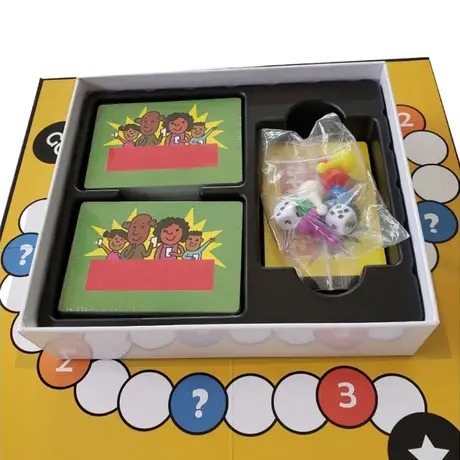
Component trays / insert covers: Custom inserts in boxes (foam, EVA, plastic) with fitted lids prevent parts from rubbing against the box walls.
Dust covers: Cloth or felt covers placed over the game board when idle reduce dust and food debris — especially useful in open setups.
Choosing materials based on customization goals
In Board Game Customization projects, you must balance aesthetics, weight, and protection. For instance:
If you used metallic or foil accents, a glossy spray clear coat preserves luster better than matte lamination.
For thick chipboard or wood, epoxy or polyurethane gives stronger edge protection.
If your custom design includes raised textures or intricate relief, avoid rigid covers that press on them—seek flexible clear film or form-fitting covers.
Packaging & Storage Strategies to Prevent Damage
Even with surface protection, how you package and store your game plays a critical role in long-term preservation.
Custom inserts and box organization
A snug, well‐designed internal insert prevents movement during transit. Options include:
Foam (EVA) cutouts: Cushioned pockets for every component.
Die-cut cardstock / chipboard partitions: For lighter components, well-fitted compartments reduce shifting.
Magnetic or latchable trays: Prevent bins from lifting out and spilling.
Double-layer lids or false bottoms: A buffer zone between pieces and cover.
Organizing components so heavier ones rest low and lighter ones above helps reduce pressure on delicate parts.
Storage environment and practices
Vertical vs. horizontal storage: Store heavier games horizontal, lighter ones vertical to reduce warping.
Climate control: Maintain stable temperature (65–75 °F) and relative humidity (30–50 %) to prevent warping or mold.
Avoid direct sunlight: Use opaque storage covers or rooms without window exposure.
Dust-free containers or sleeves: Use plastic bins or archival boxes with lids.
Handling protocols: Clean hands, avoid food/drink near components, and use coasters or balancing trays.
Table: Storage best practices comparison
| Storage Strategy | Benefits | Potential Risks or Notes |
|---|---|---|
| Horizontal shelf | Uniform support, minimal bending | Can stack too many—excess pressure |
| Vertical file-style | Good for many thin boxes | Risk of leaning, which causes warping |
| Rigid plastic bin | Seals out dust and pests | Temperature fluctuations inside bin |
| Climate-controlled room | Preserves components long-term | Requires space and stable HVAC conditions |
Cleaning, Maintenance & Handling (Routine Care)
Protective layers can fail if you neglect daily care. Here is how to maintain your game in actively used form.
Gentle cleaning techniques
Use a soft microfiber cloth (lint-free) for dusting boards or components.
For plastic surfaces, lightly dampen cloth with distilled water or a gentle mix of distilled water + a drop of mild dish soap; avoid oversaturating.
Avoid alcohol, ammonia, or harsh cleaners, as they can degrade coatings or ink.
Clean cards or sleeves by removing dust and debris — slide sleeves out and blow gently with compressed air.
Handling best practices during play
Place drinks and food away from play area; reserve separate “snacks only” tables.
Use trays to carry multiple components across the room instead of hand-carrying torn apart.
Encourage players to keep fingernails trimmed and avoid handling cards with greasy or sticky hands.
Use tablecloths or silicone mats: they cushion bottom surfaces and protect against slipping.
Regular inspections & component rehabilitation
Periodically inspect edges, joints, and surfaces for micro-damage.
For scratched surfaces, you can lightly buff (depending on the material) with ultra-fine polish or recoat that area carefully.
Replace overly worn sleeves, inserts, or protective sheets in advance.
Document component condition with photographs when first acquired or built; track wear over time so you can see when intervention is needed.
Customization Techniques That Add Durability
One of the core benefits of Board Game Customization is that you can build in protection from the outset. These preemptive techniques reduce the need for retroactive fixes.
Edge banding, reinforcing corners, and laminated borders
Use edge strips / binding tape around the edges of boards (wood or thick card) to absorb shocks.
Reinforce corners with corner protectors (metal or plastic) on rigid boards.
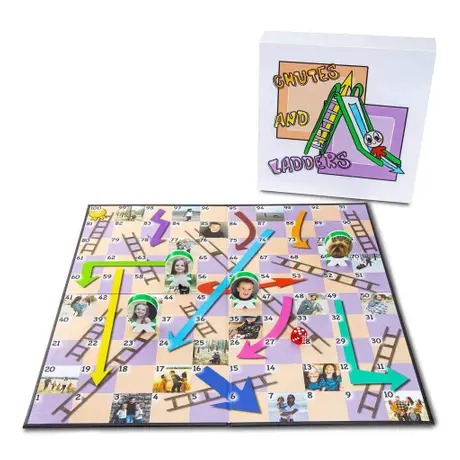
Add laminated border layers that separate the printed area from board edges, so wear happens on the sacrificial border.
Undercoats, priming, and substrate selection
Use a sealed primer or gesso layer before printing custom art to prevent ink bleed.
Choose substrates with built-in resistance: thicker chipboard, PVC foamcore, or melamine-coated materials.
Where possible, embed thin acrylic or polycarbonate layers within custom board layers (a “sandwich”) to protect art.
Modular or replaceable sections
Design your game so that high-traffic areas or frequently handled components are modular and can be swapped out.
Use interchangeable overlay tiles rather than painting directly onto the board.
Create replaceable card decks or upgrade kits so damaged parts can be replaced without discarding the entire game.
Comparative Analysis: Cost, Durability, and Aesthetic Trade-Offs
Different protection strategies vary in cost, visual impact, and long-term durability. This section offers a comparative evaluation to help you choose what fits your priorities.
Table: Comparison of protective strategies
| Protection Strategy | Approx. Cost per Unit | Durability / Lifespan | Impact on Aesthetics | Ease of Application |
|---|---|---|---|---|
| Standard card sleeves | Low | Moderate to high (with replacement) | Nearly invisible | Very easy |
| Self-adhesive lamination (3–5 mil) | Medium | High | Slight gloss/matte change | Moderate |
| Spray clear coat / varnish | Low to medium | Moderate to high | Slight sheen shift, possibly brushstrokes | Moderate to skilled |
| Epoxy resin overlay | High | Very high | Glossy, thick appearance | Difficult |
| Acrylic board cover or overlay | Medium to high | Very high (as long as undamaged) | Transparent but may show edges | Moderate |
| Custom insert trays | Medium | High (in protection) | Hidden, no visual impact | Moderate |
Choosing based on your priorities
If visual fidelity is paramount (especially in highly customized games), lean toward clear protective overlays or modular replaceable parts rather than thick coatings.
If durability under heavy use is key (e.g. games played often or by kids), go for epoxy coatings, acrylic covers, or rugged inserts.
If budget is constrained, start with card sleeves and basic clear sprays, then upgrade components later.
Troubleshooting & Repair Strategies for Common Damages
Even with precautions, damage can still occur. Here’s how to diagnose and address common problems.
Handling delamination and peeling
If clear laminate or coating begins to peel, stop play immediately and reapply adhesive or solvent-based adhesive designed for that material.
Use clamps and press small areas to reattach peeled corners slowly over 24–48 hours.
Consider adding a micro-border veneer or binding to hide weaker edges.
Repairing scratches, gouges, and wear marks
For card surfaces, sometimes replacing the card or reprinting is more cost-effective than trying to polish or repair.
For wood or acrylic, use ultra-fine polish or buffing sticks, then reapply a clear coat.
For board scuffs, use art marker touch-ups matched to the board’s color, then lightly coat with spray clearcoat to seal.
Dealing with spill damage
Immediately blot (don’t rub) excess liquid with absorbent, lint-free cloth.
Disassemble components if possible; let them dry fully in a dust-free environment.
For stuck parts, use a gentle humid method (like placing near warm, not hot, air) to release them.
If art is damaged, consider overlay patches (thin clear film patches) matching the original coating and seam them discreetly.
Conclusion
Preserving your board game from wear, spills, and scratches is not a one-time task but an ongoing practice. Especially when you engage in Board Game Customization, the extra vulnerability of custom art and materials demands more care—but also allows you to bake protection in from the start.
By understanding where damage arises, choosing the right protective coatings, designing smart custom components, enforcing good handling and storage practices, and incorporating repair strategies, you can keep your game in pristine condition for years. With deliberate design and routine maintenance, your board game becomes more than a playable object—it remains a piece of art worthy of preservation.
FAQ
Q1: Will sealing my custom game board with a clear coat affect the colors or texture?
A1: Yes, applying a clear coat or varnish can slightly shift sheen or depth of colors. To minimize effect, test small patches first, use ultra-clear and non-yellowing formulas, and apply multiple thin coats. For textured surfaces, consider flexible clear sprays rather than rigid layers that flatten detail.
Q2: Are the most expensive protection methods always better?
A2: Not necessarily. The best protection balances durability, visual impact, ease of repair, and cost. For example, a high-quality card sleeve may outlast a cheap epoxy coat over many plays. Use the comparative tables above to match the method to your usage and aesthetic goals.
Q3: If I spill liquid on a game already sealed, is it safe?
A3: A well-applied, intact seal will provide a barrier, but it is not foolproof. You should still blot immediately, open and dry components, and check for edge leaks. Over time, seals degrade; check periodically and re-seal if necessary.
Q4: How often should I inspect and re-coat protective layers?
A4: It depends on usage. For frequent play, inspect quarterly; for lighter use, twice per year is reasonable. Re-coat when you see micro-scratches, dulling, or peeling edges—but always after a test on non-critical parts.
Q5: Can I combine multiple protective strategies?
A5: Absolutely—and often that’s the best approach. For instance, you might sleeve all cards, use a clear coat on wooden tiles, and add a transparent acrylic overlay on the board. Just ensure that coatings don’t conflict chemically (e.g. solvent-based spray over a delicate lamination).
