

Introduction
Is it possible to lower costs without losing quality in custom tarot decks? At YAHONG, cost effective custom tarot cards sourcing helps brands protect value and trust.In this article, you will learn how materials, finishes, and packaging shape pricing. Learn more about our products.
Understanding Cost Drivers in Custom Tarot Cards Pricing
How Material Choice Shapes Unit Cost
Every material decision affects the base price of a deck. Standard card stock costs less per unit, while premium paper and black core paper increase the bill. Finishes also add layers of expense. Matte and gloss coatings are usually entry level, while soft touch or linen textures raise production time and setup fees. When creators compare affordable materials for custom tarot cards, they often focus on paper weight first, but surface treatments can match or exceed that cost difference.
Hidden Costs Beyond Printing
Printing is only part of the budget. Design revisions, proof samples, and packaging inserts all carry fees. Shipping can become a major cost, especially for rigid boxes or heavy paper. Storage also matters. If decks sit in a warehouse for months, brands pay in space and handling. Budget friendly custom tarot cards printing starts with planning these details early, so the final price reflects the full journey, not just the press run.
The Role of Order Volume in Price Efficiency
Volume changes everything. Small batch printing allows testing and flexibility, but the cost per deck stays high. Larger runs reduce setup costs across more units. This helps brands reach a lower custom tarot cards production cost. The challenge is forecasting demand. Overestimating leads to excess stock, while underestimating can delay sales and frustrate buyers.
Defining the Sweet Spot Between Quality and Price
What Buyers Expect at Different Price Points
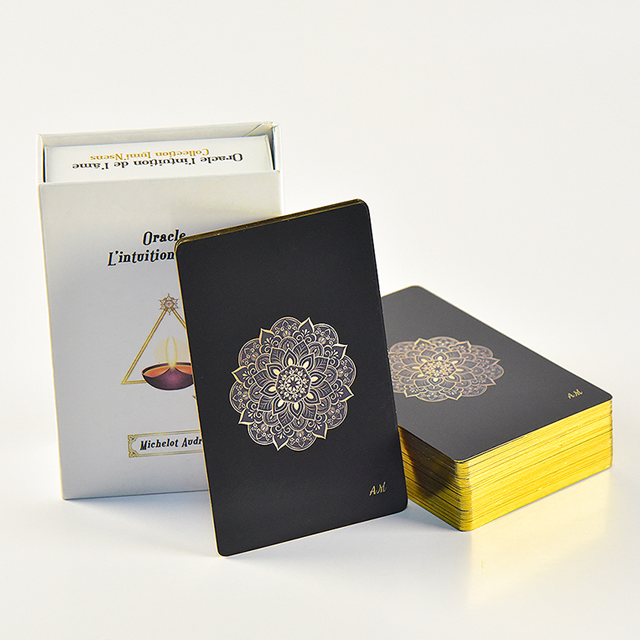
Price shapes perception. Entry level decks focus on clear images and basic protection. Mid-range decks often add better paper and smoother finishes. Premium decks highlight details like foil accents or rigid packaging. Understanding these tiers helps brands decide where to invest. Not every buyer needs a collector finish, but every buyer expects a deck to shuffle well and last.
Matching Materials to Brand Positioning
A spiritual or minimalist brand may value calm textures and simple boxes. A collector-focused brand may invest in metallic edges and thick paper. Matching materials to brand story helps justify the price. When buyers feel the deck aligns with its message, they accept higher costs more easily.
Avoiding Overinvestment in Low-Impact Features
Some upgrades look impressive in samples but go unnoticed in daily use. For example, heavy embossing can raise costs without improving handling. Brands should test features with real users. If buyers do not mention a detail, it may not be worth the expense.
Comparing Material Options for Cost-Effective Sourcing
Standard Cardstock vs. Premium Paper
Standard card stock keeps budgets low. It is light, flexible, and easy to print. Premium paper adds weight and stiffness. This change improves feel and durability, but it raises the price. For brands targeting gift shops or online sales, premium paper often supports a higher retail tag that offsets the added cost.
Black Core Paper and Its Pricing Impact
Black core paper includes a dark inner layer that blocks light. This improves trust and privacy during readings. It also adds thickness and strength. The cost is higher than white core paper, but many professional readers and collectors prefer it. For decks aimed at serious users, the added expense often pays off through stronger brand loyalty.
Plastic Cards for Specialized Markets
Plastic cards cost more to produce. They resist water and dirt. They suit travel, outdoor events, and teaching sessions. For these markets, durability can reduce replacement needs. While plastic changes the traditional feel, it can lower long-term support costs for brands serving heavy-use customers.
Material Comparison Overview
Material Type | Base Cost Level | Durability | Perceived Value | Best Use Case |
Standard Cardstock | Low | Medium | Basic | Entry decks |
Premium Paper | Medium | High | Professional | Retail and gifts |
Black Core Paper | High | Very High | Premium | Professional readers |
Plastic Cards | High | Very High | Functional | Travel and workshops |
Evaluating Finish and Decoration Costs
Matte, Gloss, and Soft Touch Price Differences
Matte and gloss finishes are common and cost effective. They protect ink, reduce fading, and add visual clarity under store lighting. Soft touch coatings feel smooth and warm in the hand. They often signal luxury and comfort, but they raise material and labor costs. Brands should consider how much this tactile upgrade influences buyer choice, especially when comparing retail pricing with production budgets.
Foil, Embossing, and Edge Finishing ROI
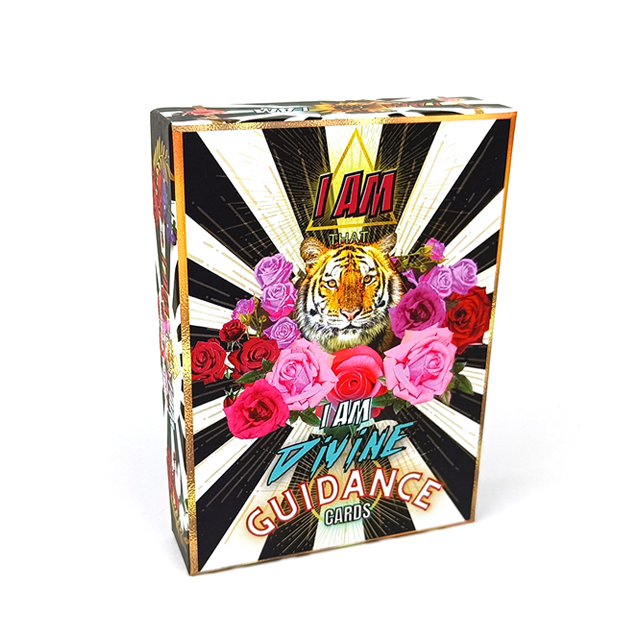
Decorative features draw attention and create shelf impact. Gold foil and holographic accents catch light in crowded displays. Embossing adds depth and helps key symbols stand out. Edge finishing can turn the deck into a visual centerpiece. These options raise production complexity and setup time. The return depends on the sales channel. Crowdfunding and collector markets often reward bold design, while mass retail may favor more subtle enhancements.
When Simpler Designs Improve Profitability
Clean layouts reduce setup time and printing steps. Fewer layers mean fewer alignment checks and lower risk of production errors. This can reduce waste and reprint costs. For brands focused on wholesale or volume sales, simpler designs often lead to better margins and more predictable delivery schedules.
Sourcing Strategies for Better Custom Tarot Cards Pricing
Working with Full-Service Manufacturers
Full-service suppliers handle printing, finishing, and packaging under one roof. This reduces coordination costs and communication gaps. It also improves consistency across batches. When one partner manages the full process, errors tend to drop and lead times often become more reliable.
Local vs. Overseas Production Tradeoffs
Local production offers faster communication, easier revisions, and shorter shipping distances. Overseas production often lowers unit cost, especially for large volumes. The best choice depends on order size, quality requirements, and launch timelines. Brands planning larger runs may find overseas sourcing more cost effective, while small or urgent projects benefit from local speed and flexibility.
Negotiating Terms and Sample Runs
Samples reveal true quality before full commitment. They help brands check color accuracy, finish feel, and packaging fit. Negotiating flexible payment terms and clear reorder pricing can protect long-term margins. Strong relationships with suppliers often lead to better support, priority scheduling, and more stable pricing over time.
Planning for Different Sales Channels
Retail Store Pricing and Margin Targets
Retail requires room for markups. Stores often expect a wholesale price that is about half of the final retail price. This means production cost must stay well below that level to protect brand margins. Packaging and durability matter because decks face frequent handling, shelf movement, and customer browsing. Strong boxes and wear-resistant finishes help maintain a clean look throughout the sales cycle.
Crowdfunding Budget Models
Backers often expect premium features and visible upgrades. They also respond to clear value and transparency. Brands can use stretch goals to fund additions like foil accents, upgraded paper, or special boxes. This approach keeps base pricing stable while adding excitement and encouraging higher pledge levels. Careful budgeting ensures these upgrades do not delay delivery or reduce profit.
Direct-to-Consumer Cost Control
Online sales remove the middle layer, giving brands more control over pricing and presentation. This allows greater investment in materials and finishes because more of the sale price stays with the creator. Shipping and packaging become more important, as they shape the unboxing experience and influence reviews. Lightweight yet protective materials help balance cost and customer satisfaction.
Long-Term Cost Management and Scaling
Maintaining Quality Across Larger Runs
As volume grows, small flaws can quickly become large problems. Clear material standards help keep each batch consistent. Brands should document paper weights, finish types, color profiles, and packaging specifications. This makes it easier for suppliers to reproduce the same quality over time, even as production scales.
Forecasting Demand to Reduce Waste
Accurate forecasts prevent overproduction and excess inventory. Unsold stock ties up capital and storage space. It can also risk damage or fading over time. Data from past sales, preorder numbers, and market trends helps guide smarter production decisions and reduce financial pressure.
Building Supplier Relationships for Stability
Long-term partners understand brand goals and quality expectations. They often offer better pricing, faster response times, and more flexible production terms. Stable sourcing supports steady growth and helps brands adapt more easily when demand increases or market conditions change.
Practical Cost Comparison Table
Material and Feature Cost Impact Overview
Feature Level | Unit Cost Impact | Typical Retail Range | Buyer Perception |
Basic Stock | Low | Low | Entry level |
Premium Paper | Medium | Medium | Professional |
Foil + Box | High | High | Luxury |
Budget Planning Examples for Creators
Small Batch Independent Launch
An artist prints 200 decks using premium paper and a matte finish. The unit cost stays high because setup and design fees are spread across fewer copies. Retail pricing must reflect this higher production expense. The main advantage is a fast launch with low financial risk, allowing creators to test audience response before committing to a larger run.
Mid-Range Retail Distribution
A brand prints 1,000 decks and chooses black core paper with simple tuck boxes. The larger volume lowers the cost per unit, making wholesale pricing more flexible. Retail margins improve, and the deck feels professional and durable on store shelves. This approach often supports steady restocking and long-term brand presence.
Large Scale Crowdfunding Success
A campaign reaches 5,000 backers and adds foil accents with rigid boxes. Setup costs are spread across many units, which keeps the final price reasonable. At the same time, the premium presentation increases perceived value and encourages backers to share and promote the project.
Evaluating Value Beyond Price
Handling Experience
Buyers often judge quality by how a deck feels during shuffling. Smooth edges and stable paper improve comfort and control. This positive experience can lead to better reviews and stronger word-of-mouth support.
Visual Longevity
Colors that fade or scratch quickly can hurt a brand’s image. Durable finishes protect artwork and maintain a clean look over time. This reduces returns and helps decks stay attractive in both personal and retail settings.
Brand Trust
Consistent quality builds long-term loyalty. When buyers trust that each release will meet the same standard, they are more willing to accept higher prices for future decks and recommend the brand to others.
Channel-Based Strategy Table
Sales Channel | Key Cost Focus | Recommended Materials | Pricing Strategy |
Retail Stores | Margin space | Premium paper, matte box | Stable mid-range |
Online Sales | Experience | Soft touch, rigid box | Flexible premium |
Crowdfunding | Perceived value | Foil, special finishes | Tiered rewards |
Collectors | Longevity | Black core, linen | Limited editions |
Conclusion
Finding the right balance in custom tarot cards pricing means choosing value, not just low cost. Smart sourcing blends tested materials, clear goals, and strong partnerships. With YAHONG, creators gain flexible options, durable finishes, and scalable production that protect margins while delivering retail-ready decks that feel premium, reliable, and built for long-term brand growth.
FAQ
Q: What is cost effective custom tarot cards sourcing?
A: It means choosing materials and suppliers that balance quality, durability, and custom tarot cards pricing.
Q: How does cost effective custom tarot cards sourcing reduce production cost?
A: It lowers custom tarot cards production cost by optimizing paper, finishes, and order volume.
Q: Why use black core paper for affordable materials for custom tarot cards?
A: It improves trust and durability while still supporting budget friendly custom tarot cards printing.
Q: How do foil finishes affect custom tarot cards pricing?
A: They raise unit cost but increase shelf appeal and perceived value for premium buyers.
