

Introduction
What makes a tarot deck feel premium before a single card is drawn?At YAHONG, high-end custom tarot cards material selection shapes how buyers trust and value every deck.In this article, you will learn how finishes, stock, and packaging guide your deck from concept to shelf.
From Creative Vision to Commercial Product Strategy
Translating Brand Identity into Physical Materials
A tarot deck expresses a brand story through physical form. Soft touch coatings often suggest calm and spiritual focus. Dense paper signals authority and professionalism. Metallic accents point to ceremony or luxury. When a brand defines its identity early, material choices become clearer. Some manufacturers specialize in supporting this translation process, offering flexible paper cores, custom foiling, and coordinated packaging so the final product reflects the original creative vision without compromise.
Positioning High-End Custom Tarot Cards for Retail Markets
Retail shelves reward clarity and confidence. Buyers and store managers look for decks that communicate value at a glance. Thick card stock and structured boxes often support higher price points. Retailers also consider how products hold up during browsing. Cards that resist bending and packaging that protects edges help preserve presentation. This is where experienced card printers add value by advising on materials tested for frequent handling and long-term display.
Aligning Artistic Intent with Manufacturing Constraints
Creative ideas must meet production reality. Some finishes require specific surfaces. Some foils need flat, stable stock. Complex boxes may increase lead time. Successful brands involve their production partner early. Many full-service card manufacturers now provide prototypes and small batch testing, allowing designers to adjust materials before committing to larger runs.
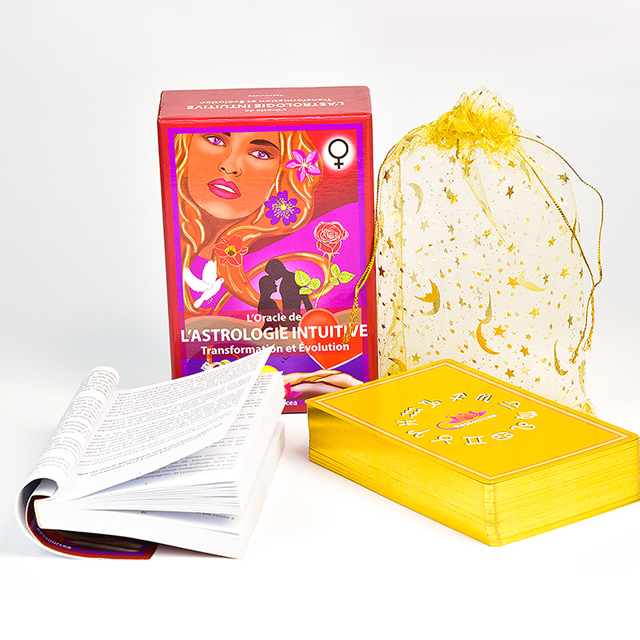
Choosing the Right Card Stock for High-End Custom Tarot Cards
Premium Paper vs. Standard Cardstock Performance
Standard card stock suits casual decks and promotional runs. Premium paper offers more weight and rigidity. This shift in feel often changes how buyers value the deck. Heavier cards tend to feel more permanent and gift-ready. Over time, premium stock also resists warping and edge wear, which helps maintain brand image in both retail and collector markets.
Black Core Paper for Professional and Retail-Grade Decks
Black core paper includes a dark inner layer that blocks light. This prevents images from showing through. Professional readers and collectors often associate this feature with trust and quality. The layered structure also improves shuffle feel. Many advanced printers offer black core options in several thickness levels, making it easier to match durability with target pricing.
Plastic and Specialty Materials for Niche Retail Segments
Plastic cards resist water and dirt. They work well for travel decks, workshops, and outdoor use. However, some spiritual buyers prefer paper because it feels warmer and more traditional. Specialty materials work best when a brand clearly defines its audience. Experienced manufacturers often help brands test both options before final production.
Comparison of Common Card Stock Options
Material Type | Feel in Hand | Durability Level | Best Retail Use Case |
Standard Cardstock | Light and flexible | Medium | Entry-level decks |
Premium Paper | Firm and smooth | High | General retail and gifts |
Black Core Paper | Dense and solid | Very high | Professional and premium |
Plastic (PVC) | Smooth and slick | Very high | Travel and outdoor use |
Surface Finishes That Elevate Retail Perception
Matte, Gloss, and Soft Touch in Premium Branding
Matte finishes reduce glare and create a calm, refined look. Gloss finishes boost color depth and shine, drawing attention under store lighting. Soft touch coatings add a velvet feel that many buyers link to luxury. Some production houses now combine these finishes within the same deck, giving brands more control over how different design elements feel in hand.
Linen and Textured Finishes for Traditional and Artisan Markets
Textured surfaces improve grip and hide small scratches. For brands that highlight heritage or craftsmanship, linen finishes reinforce that message. This tactile layer can also make repeated shuffling more comfortable, which appeals to professional readers.
Durability and Wear Considerations for Store and Customer Handling
Retail decks face constant handling. Fingerprints, scuffs, and edge wear can appear quickly. Anti-scratch coatings and reinforced packaging help extend shelf life. Many commercial printers perform stress testing on finishes to ensure they meet retail standards.
Foiling and Decorative Techniques for Visual Impact
Gold, Silver, and Holographic Foil for Brand Differentiation
Gold foil often suggests tradition and heritage. Silver foil feels modern and clean. Holographic foil adds energy and motion. These elements help decks stand out in crowded displays. Limited runs frequently use special foils to create a sense of rarity and collectibility.
Embossing, Spot UV, and Edge Finishing for Premium Presentation
Embossing raises symbols and logos, adding depth. Spot UV creates contrast between matte and glossy areas. Edge finishing colors or plates the sides of the deck. Together, these techniques can transform a simple product into a display piece. Some full-service manufacturers specialize in combining these processes in a single production flow to maintain consistency.
Avoiding Overdesign That Reduces Usability
Decorative layers can add weight and stiffness. Too many raised areas may slow shuffling. Balance keeps the deck both beautiful and practical.
Decorative Technique Comparison
Technique | Visual Effect | Tactile Impact | Best Use Case |
Foil | Metallic shine | Smooth | Logos and symbols |
Embossing | Raised detail | Textured | Key imagery |
Spot UV | Gloss contrast | Slight grip | Brand highlights |
Edge Finish | Colored edges | Smooth | Collector editions |
Packaging Materials That Support Retail Success
Tuck Boxes, Rigid Boxes, and Display-Ready Packaging
Tuck boxes are light and cost-efficient. Rigid boxes feel substantial and protect cards better. Display-ready packaging often includes strong graphics and structured shapes that attract attention. Many professional tarot card producers now offer custom box styles that match the card finish, creating a unified retail presence.
Consistency Between Cards, Inserts, and Outer Packaging
A deck feels more premium when cards, guidebooks, and boxes share the same material language. Soft touch on the box paired with glossy cards can create contrast, while a fully matte system can feel calm and cohesive. Unified design supports stronger brand recognition.
Protective Design for Shipping, Storage, and Store Handling
Reinforced corners and snug inserts reduce movement during shipping. This prevents edge damage and surface scuffs. Brands that work with experienced packaging teams often see fewer returns and better store feedback.
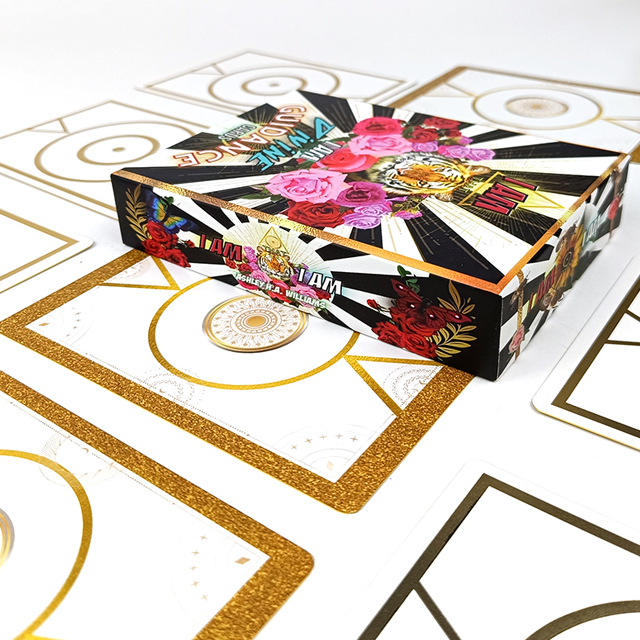
Material Choices for Different Sales Channels
Retail Store Distribution vs. Direct-to-Consumer Sales
Retail channels prioritize durability and shelf appeal. Direct sales often focus on unboxing experience and storytelling. Material selection should reflect these differences. Some brands use one finish for stores and another for limited online releases.
Crowdfunding and Limited Edition Production Strategies
Backers often expect premium features. Special foils, textured boxes, and signed inserts can increase perceived value. Printing partners that support flexible order sizes help creators test demand before scaling production.
Collector Markets and Long-Term Value Preservation
Collectors value decks that age well. Archival paper and stable coatings help preserve color and structure. Premium manufacturers often recommend black core stock and linen finishes for long-term storage.
Channel-Based Material Strategy
Sales Channel | Key Priority | Recommended Materials |
Retail Stores | Shelf durability | Premium paper, matte box |
Online Sales | Unboxing appeal | Soft touch, rigid box |
Crowdfunding | Perceived value | Foil, special finishes |
Collectors | Longevity | Black core, linen finish |
Artwork and File Preparation for Premium Printing Results
Color Accuracy and Contrast for Metallic and Matte Surfaces
Metallic areas reflect light. Dark backgrounds often make foil stand out. Testing printed samples helps prevent dull or washed-out effects. Many advanced printers provide digital proofs and physical mockups to refine color before final production.
Bleed, Trim, and Safe Zones for Professional Finishing
Designs should extend past the final cut line to avoid white edges. Important symbols should stay within safe zones. This reduces waste and ensures consistent appearance across batches.
Registration Precision for Foil and Decorative Layers
Clear file setup helps align foil and embossing layers. Accurate registration protects fine details and brand marks.
Production Quality Control and Brand Protection
Durability Testing for High-End Custom Tarot Cards
Repeated shuffling reveals weak coatings. Drop tests expose fragile edges. Early testing protects brand reputation and reduces costly reprints.
Managing Consistency Across Small and Large Print Runs
Colors and finishes can shift between batches. Clear material specifications and stable supplier relationships help maintain a unified look over time.
Supplier Standards and Manufacturing Transparency
Reliable partners share material sources and production methods. Transparency builds long-term trust and supports sustainable growth.
Cost, Pricing, and ROI in Premium Material Selection
Budget Planning for High-End Tarot Card Production
Material upgrades raise unit cost. Brands should match these costs to their target price range. Clear planning supports healthy margins.
Material Choices That Support Healthy Retail Margins
Premium finishes often justify higher prices. Buyers tend to pay more for tactile quality and strong visual detail.
Scaling Production Without Compromising Quality
As volume grows, standards must stay consistent. Many professional card manufacturers offer flexible production systems that maintain quality from small batches to full retail runs.
Cost and Value Balance Table
Feature Level | Unit Cost Impact | Retail Price Effect | Buyer Perception |
Basic | Low | Low | Entry level |
Premium Paper | Medium | Medium | Professional |
Foil + Box | High | High | Luxury |
Conclusion
From first sketch to shelf, material choices shape how every deck feels and performs. Card stock builds trust and weight. Finishes guide touch and emotion. Foils and packaging create attention and value. With YAHONG, creators gain high-end custom tarot cards that deliver durability, premium feel, and retail-ready presentation, helping brands build loyalty, grow collections, and support long-term success.
FAQ
Q: What is high-end custom tarot cards material selection for retail success?
A: It means choosing premium paper, finishes, and packaging that improve durability, value, and shelf appeal.
Q: How does high-end custom tarot cards material selection affect pricing?
A: Better materials justify higher prices and attract collectors seeking premium feel and long-term quality.
Q: Why choose black core paper for professional tarot decks?
A: Black core paper tarot improves opacity, trust, and shuffle performance in retail use.
Q: How do gold foil tarot cards compare to matte finishes?
A: Gold foil adds visual impact, while matte finishes improve grip and reduce glare.
