

Introduction
Why do some decks shine while others fade? Premium custom tarot cards foiling can change how a brand feels. In this guide, you will explore finishes that build trust. See how YAHONG products help elevate every deck.
Why Premium Finishes Matter for Brand Identity in Custom Tarot Cards
How Tactile Experience Shapes Brand Perception
Touch builds memory. A soft touch coating feels calm and smooth, while a linen surface adds grip and control. These small details make users remember the deck not just visually, but physically. When the experience feels refined, they connect that sensation to the brand behind it. Over time, this physical comfort can influence whether readers choose the same deck again, keep it as a preferred tool, or recommend it to others within their reading circles.
Visual Impact and Shelf Appeal in Retail and Online Displays
Foil accents catch light in a store, and matte surfaces reduce glare in photos. Together, they help decks stand out on both shelves and screens. A strong first look increases the chance of a closer look, especially when buyers are browsing quickly or scrolling through many options online. In crowded marketplaces, even subtle shine or texture can guide attention toward a brand’s design rather than a competitor’s.
Emotional Connection Between Finish Quality and Brand Trust
People link quality to care. Clean edges and even coatings suggest attention and pride in production. This emotional signal builds trust and supports repeat buying over time. When a deck feels well made, users often assume the same care went into the artwork, symbolism, and meaning behind each card, strengthening their confidence in the brand as a whole.
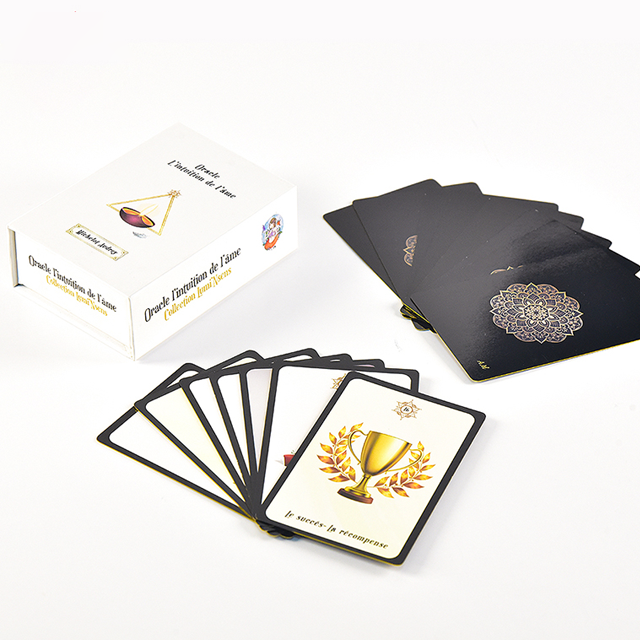
Understanding Foiling Techniques for Premium Custom Tarot Cards
Gold Foil vs. Silver Foil for Brand Positioning
Gold foil signals warmth, tradition, and a sense of heritage. Silver foil suggests modern style and visual clarity. Brands often choose gold for classic or spiritual decks and silver for minimalist or contemporary designs. The choice can also reflect price positioning, with gold commonly linked to luxury and exclusivity, while silver supports clean, accessible, and modern brand themes.
Holographic and Colored Foils for Modern Aesthetics
Holographic foil adds movement and visual energy by shifting colors under changing light. Colored foils allow brands to match their established palette and reinforce brand identity. These choices work well for bold and youthful audiences. They can also help limited editions feel more distinctive by creating a look that changes depending on the viewing angle and environment.
Embossed Foil Effects for Depth and Visual Hierarchy
Embossed foil raises key symbols above the card surface. This creates depth and naturally guides the eye toward important visual elements. It helps users focus on central meanings during readings. The raised areas also improve tactile feedback, making significant details easier to feel and recognize during handling.
Surface Finish Options That Define Brand Personality
Matte vs. Glossy Finish for Custom Tarot Cards Branding
Matte surfaces feel calm and soft, reducing glare and reflections under bright light. Glossy finishes boost color saturation and shine, making artwork appear more vivid. Matte often fits spiritual or meditative themes, while glossy suits bold and artistic styles. Each option also changes how fingerprints, scratches, and general wear become visible over time.
Soft Touch Coating for Luxury Brand Presentation
Soft touch coatings feel smooth and warm in the hands, creating a sense of comfort and care. Many premium brands use this finish to signal higher value and attention to detail. This coating can also reduce slipping, helping readers shuffle and handle cards with more control and confidence.
Linen and Textured Finishes for Traditional and Artisan Brands
Linen finishes add subtle texture and extra grip. They support smooth shuffling and steady handling during longer reading sessions. This finish fits traditional and handcrafted brand stories. The light pattern can also help hide small scratches, extending the deck’s visual life.
Matching Foiling and Finishes to Your Brand Strategy
Minimalist Branding vs. Statement Design Approaches
Minimalist brands often use small, controlled foil accents to highlight specific symbols or borders. Statement brands may use larger metallic areas to create strong visual impact. Each choice reflects how quiet or expressive a brand wants to feel. The right balance helps maintain clarity without overwhelming the artwork.
Aligning Visual Style with Target Audience Expectations
Collectors often seek a premium feel, unique details, and limited-edition features. Beginners may prefer clean and simple looks that feel easy to use and understand. Knowing the audience helps guide finish choices. Understanding user habits can also shape decisions about durability, maintenance, and long-term appearance.
Consistency Across Packaging, Cards, and Inserts
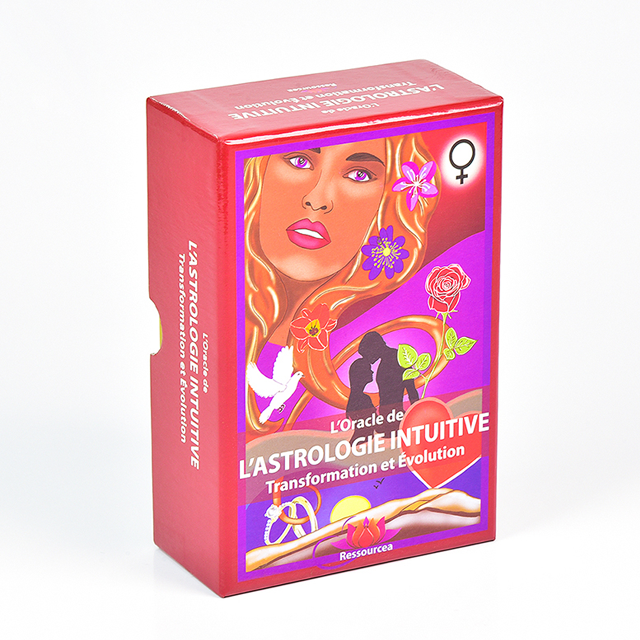
Boxes, guidebooks, and cards should follow the same finish style and visual tone. When all parts align, the brand feels unified and intentional. This consistency strengthens recognition and improves the overall unboxing and first-use experience.
Practical Design Guidelines for Premium Tarot Card Finishes
Artwork Preparation for Foil Registration Accuracy
Designers should clearly mark foil areas in their files. This helps printers place metallic layers with precision and avoid misalignment. Clean and well-organized files reduce waste and errors. Accurate registration also prevents foil from covering fine details or important text.
Color Contrast and Readability with Metallic Accents
Foil works best on dark or solid backgrounds where contrast is high. Strong contrast improves symbol clarity and reading comfort. Testing different background colors can reveal which combinations remain clear under varied lighting conditions.
Avoiding Overdesign That Reduces Usability
Too much foil can distract from the meaning of the cards. Too many textures can slow shuffling and handling. A balanced approach keeps the deck both useful and visually appealing. Practical use should always guide creative choices.
Production Quality Factors That Protect Brand Value
Material Selection and Black Core Paper Standards
Black core paper blocks light and prevents images from showing through the back of the cards. It improves privacy and gives the deck a dense, professional feel. This material supports a more focused and confident reading experience.
Durability Testing for Foiled and Coated Surfaces
Decks should resist scratches, fading, and peeling. Testing samples through repeated shuffles and regular handling reveals weak points. This step helps brands avoid quality issues after release and protect long-term customer satisfaction.
Quality Control Across Small and Large Print Runs
Clear checks at each stage reduce defects and inconsistencies. This helps brands maintain the same look and feel across restocks and special editions. Consistent results protect reputation and support long-term growth.
Finish Durability Comparison
Finish Type | Wear Resistance | Visual Impact | Best Use Case |
Matte Lamination | High | Soft and clean | Daily reading decks |
Gloss Lamination | Medium | Bright and bold | Display decks |
Soft Touch | Medium | Luxury feel | Collector editions |
Linen Texture | High | Traditional look | Professional readers |
Cost Planning and ROI of Premium Foiling and Finishes
Understanding Setup Costs and Tooling Fees
Foil stamping requires custom metal plates to transfer the design onto the surface. These plates add an initial setup cost that can feel high for small runs. However, careful planning allows brands to reuse the same tooling for future reprints or related products. This approach spreads the cost over time and makes premium finishes more economical in the long term.
Balancing Unit Price with Brand Positioning
Higher finishing costs often lead to a higher unit price. For many brands, this supports a premium retail price and reinforces a luxury or limited-edition image. The key is matching spending levels to market goals, ensuring that the added value of the finish is visible and meaningful to the target audience.
Long-Term Value of Premium Decks in Retail Channels
Premium decks tend to attract stronger visual attention and more positive reviews. This can lead to repeat orders from retailers and better placement on shelves or online listings. Over time, consistent quality and presentation help build brand reputation, which can increase customer loyalty and improve overall return on investment.
Cost Impact Overview
Feature | Setup Cost | Unit Cost Change | Brand Value Effect |
Gold Foil | High | Medium | Strong premium signal |
Soft Touch | Low | Medium | Luxury feel |
Linen Finish | Low | Low | Better usability |
Cost Planning and ROI of Premium Foiling and Finishes
Understanding Setup Costs and Tooling Fees
Foil stamping requires custom metal plates to transfer the design onto the surface. These plates add an initial setup cost that can feel high for small runs. However, careful planning allows brands to reuse the same tooling for future reprints or related products. This approach spreads the cost over time and makes premium finishes more economical in the long term. It also encourages brands to design elements that remain consistent across editions, reducing the need for frequent new plates.
Balancing Unit Price with Brand Positioning
Higher finishing costs often lead to a higher unit price. For many brands, this supports a premium retail price and reinforces a luxury or limited-edition image. The key is matching spending levels to market goals, ensuring that the added value of the finish is visible and meaningful to the target audience. Clear communication of quality, such as highlighting materials and processes, can help customers understand why the product is priced higher.
Long-Term Value of Premium Decks in Retail Channels
Premium decks tend to attract stronger visual attention and more positive reviews. This can lead to repeat orders from retailers and better placement on shelves or online listings. Over time, consistent quality and presentation help build brand reputation, which can increase customer loyalty and improve overall return on investment. Strong brand recognition can also make future product launches easier and less dependent on heavy promotion.
Manufacturer Support Comparison
Support Area | Basic Supplier | Premium Partner |
Sample Quality | Digital proof | Physical deck |
Finish Advice | Limited | Detailed guidance |
Scaling Support | Low | High |
Comparing Foiling and Finish Combinations
Classic Luxury vs. Modern Visual Impact
Gold foil paired with a matte surface feels timeless and refined. This combination often suits traditional, spiritual, or heritage-inspired decks that aim to convey depth and calm. In contrast, holographic foil with a glossy finish feels modern and energetic. The shifting light and shine attract attention, making this style popular for contemporary designs and visually driven branding.
Durability and Maintenance Tradeoffs
Textured surfaces, such as linen or soft-touch coatings, help hide small signs of wear over time. They can reduce the visibility of fingerprints and light scratches, extending the deck’s clean appearance. Glossy surfaces, while vibrant and eye-catching, tend to show scratches and smudges more quickly. This makes them better suited for display-focused decks rather than heavy daily use.
Best Combinations for Retail, Crowdfunding, and Collectors
Retail environments often favor balanced designs that appeal to a wide audience, blending subtle foil with practical finishes. Crowdfunding campaigns tend to reward bold and unique looks that stand out in previews and promotional images. Collectors usually seek rare or limited finishes, such as special foils or textured coatings, that add exclusivity and long-term value to the deck.
Conclusion
Premium foiling and finishes shape how custom tarot cards build brand value. Smart choices in texture and shine help decks feel reliable and refined. Testing samples and planning costs strengthen long term trust. YAHONG products offer flexible materials and durable premium finishes. They help creators turn strong designs into standout professional decks.
FAQ
Q: What is premium custom tarot cards foiling?
A: Premium custom tarot cards foiling adds metallic accents that enhance gold foil tarot cards branding and visual depth.
Q: How do I use a custom tarot cards surface finish guide?
A: Follow a custom tarot cards surface finish guide to match matte, linen, or soft touch with your audience and design goals.
Q: Why choose luxury tarot card printing options for branding?
A: Luxury tarot card printing options improve shelf appeal, durability, and trust, helping premium decks stand out in retail and online displays.
Q: Does premium custom tarot cards foiling increase costs?
A: Premium custom tarot cards foiling raises setup fees but can support higher prices and long term brand value.
