

Introduction
Ever wonder why some decks succeed while others fail? Choosing a reliable custom tarot cards manufacturer makes the difference. In this guide, you will learn how to source with confidence. Discover how YAHONG products support strong, scalable decks.
Defining a Reliable Custom Tarot Cards Manufacturer
Core Capabilities vs. Marketing Claims
A reliable custom tarot cards manufacturer shows proof through process, not slogans. They can explain how they handle design files, manage color calibration, and control defects at each stage. Real capability appears in documented workflows, sample programs, and clear production timelines. Claims of “high-end” or “luxury” only matter when backed by physical decks that pass shuffle, bend, and edge tests. Brands that showcase their production methods and material options, like black core paper or gold foil edges, often build stronger trust with buyers.
Production Scope and End-to-End Service Coverage
Strong partners support more than printing alone. They often provide packaging design, box production, and basic logistics coordination. This reduces handoffs between vendors and lowers the chance of delays or mismatched components. For growing brands, this kind of end-to-end service simplifies scaling and helps maintain consistent presentation across editions. Some manufacturers position their custom tarot cards as a complete product system, not just a printed deck, which adds value for creators entering retail or crowdfunding markets.
Experience in Tarot and Specialty Card Printing
Tarot decks differ from standard playing cards. They often use heavier stock, specialty finishes, and detailed artwork that demands accurate color and clean cuts. Manufacturers who focus on this niche understand shuffle feel, opacity, and corner wear. Their experience helps avoid common errors such as warped cards or uneven trimming. Many professional suppliers highlight years of handling complex tarot projects to show they can meet both artistic and commercial demands.
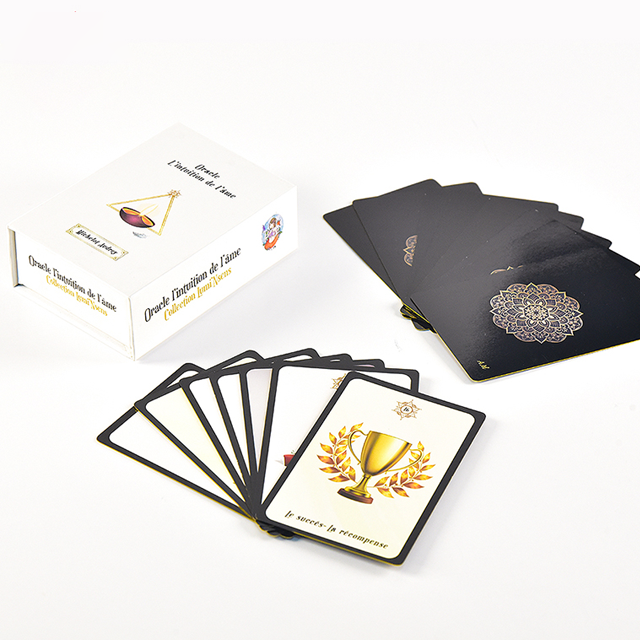
Key Features That Signal Manufacturing Reliability
Quality Management Systems and Certifications
Reliable partners use structured quality systems. They track defects, log inspections, and document corrective actions. These records help brands trace issues back to a specific batch or material source. Certifications related to paper sourcing or product safety often signal that a manufacturer meets international trade expectations.
Material Sourcing and Card Stock Standards
Paper choice shapes every reading experience. Strong suppliers explain GSM ranges, core colors, and coating options in simple terms. They can recommend black core stock for opacity or heavier paper for collector editions. This transparency helps brands match durability and tactile feel to their audience. Some manufacturers, including JYAHONG, emphasize flexible material options so creators can balance cost and premium appeal in different product lines.
Finishing Capabilities and Technical Range
Finishing defines how a deck stands out. Matte lamination, linen texture, spot UV, or metallic edges require specific machines and trained staff. A capable manufacturer can show real samples and explain how each option affects wear, lead time, and pricing. This guidance helps brands avoid overdesigning a deck that becomes too costly to scale.
Feature Comparison Overview
Feature Area | Entry-Level Supplier | Reliable Manufacturer | Value to Brand |
Quality checks | Visual only | Multi-stage inspection | Fewer defects |
Paper sourcing | Generic stock | Certified suppliers | Stable feel |
Finish options | Basic matte | Linen, foil, soft touch | Premium look |
Documentation | Limited | Full batch records | Traceability |
Evaluating Production Quality Before Placing Orders
Sample Deck Testing and Proofing Process
Samples reveal how a deck performs in hand. Brands should bend cards, shuffle them, and inspect edges for chips. Production-intent samples matter more than digital proofs. They show real paper, ink, and coating behavior. Many manufacturers offer small batch sampling to help creators confirm feel and color before committing to volume.
Color Accuracy and Print Consistency Checks
Color shifts can weaken brand identity. Reliable manufacturers explain how they manage color profiles and proofing. They may use reference decks or control charts to keep results stable across reprints. This matters for brands that plan long-term sales or multiple editions.
Durability, Shuffle Feel, and Edge Quality Review
Tarot decks face heavy handling. Edges wear first. Shuffle feel shapes reader comfort. Testing these points early helps prevent negative reviews and returns. Some product-focused manufacturers highlight durability as a core benefit, especially for professional readers who use decks daily.
Supplier Communication and Project Management
Response Time and Dedicated Account Support
Fast replies signal organized teams. Many reliable partners assign one contact per project. This reduces confusion and speeds decisions during design changes. Clear communication often separates a smooth launch from a delayed one.
Design File Handling and Technical Guidance
Manufacturers should guide file setup. They often provide templates and explain bleed, margins, and color modes. This support lowers the risk of misprints. Brands new to custom tarot cards benefit most from this kind of technical help.
Change Management During Production
Changes happen. Reliable partners explain cut-off points for edits. They show how changes affect cost and delivery. This clarity protects both sides from last-minute surprises.

Scalability and Long-Term Production Capacity
Handling Small Batches vs. Large Volume Orders
Some factories focus only on large orders. Others support small runs for testing and crowdfunding. Brands that plan growth benefit from partners who can handle both stages without changing suppliers.
Lead Time Stability During Peak Seasons
Holidays and promotions increase demand. Reliable manufacturers plan capacity ahead of time. They communicate realistic timelines and avoid promising rush jobs they cannot meet.
Capacity Planning for Brand Growth
Growth often means larger orders and more complex packaging. Strong partners share capacity limits and expansion plans. This helps brands align marketing campaigns and production schedules.
Capacity Planning Snapshot
Production Size | Typical Lead Time | Risk Level | Best Use Case |
300 to 500 | 2 to 3 weeks | Low | Testing market |
1,000 to 3,000 | 3 to 5 weeks | Medium | Retail launch |
5,000+ | 5 to 8 weeks | Higher | Global rollout |
Cost Transparency and Pricing Structure
Understanding Unit Price vs. Total Landed Cost
Unit price alone hides many expenses. Packaging, shipping, and setup fees raise the real cost. Reliable manufacturers explain full pricing early. This helps brands set accurate retail margins and avoid budget gaps.
MOQ Policies and Flexibility for Startups
Minimum order quantities shape risk. Flexible MOQs allow creators to test designs and build demand. Strict MOQs suit established brands with stable sales channels.
Tooling Fees, Sampling Costs, and Hidden Charges
Some finishes require custom dies or plates. These add setup costs. Clear partners list these fees in quotes. This openness helps brands compare suppliers fairly.
Pricing Elements Breakdown
Cost Element | What It Covers | Why It Matters |
Unit price | Printing and cutting | Base cost |
Tooling | Dies and plates | Setup expense |
Packaging | Boxes and inserts | Brand image |
Shipping | Freight and duties | Final margin |
Compliance, Ethics, and Global Trade Readiness
Export Standards and Safety Certifications
International sales require compliance. Reliable manufacturers understand labeling rules, customs codes, and safety standards. They help prevent shipment delays or rejected goods.
Sustainable Paper and Eco-Ink Options
Eco-friendly options attract conscious buyers. Strong partners can offer recycled paper or water-based inks. They explain how these materials affect color depth and card feel.
Intellectual Property Protection and NDA Practices
Designs carry value. Reliable partners respect ownership. They often use NDAs and limit access to project files. This protects creators from unauthorized reuse.

Comparing and Shortlisting Custom Tarot Cards Manufacturers
Factory Audits and Virtual Facility Tours
Audits show real working conditions. Some brands visit factories. Others use video tours. These steps confirm capacity, staffing, and quality systems.
Performance Benchmarks and On-Time Delivery Rates
Past performance predicts future results. Reliable manufacturers track delivery data. High on-time rates show stable planning and logistics.
Client References and Reorder History
Repeat orders signal trust. Asking for references helps brands learn how suppliers respond to issues and growth.
Supplier Comparison Table
Supplier Type | Strength | Weakness | Best For |
Local printer | Fast shipping | Higher cost | Small runs |
Regional factory | Balanced | Medium lead time | Growing brands |
Large exporter | Low unit cost | High MOQ | Global scale |
Building a Long-Term Manufacturing Partnership
Contract Terms and Service Level Agreements
Clear contracts define quality targets, delivery windows, and payment terms. They reduce disputes and protect both sides during busy seasons.
Continuous Quality Improvement Processes
Strong partners review defects and feedback. They refine workflows over time. This steady improvement helps brands maintain consistent reputation.
Collaboration on New Materials and Finishes
Innovation keeps decks fresh. Reliable manufacturers test new paper stocks and coatings. They share findings with brands to plan future editions. Some product-focused suppliers, such as JYAHONG, highlight their ability to combine complex finishes and premium packaging as a way to support creators who want distinctive, high-value tarot products.
Conclusion
A reliable custom tarot cards manufacturer relies on clear process and trust. Testing samples and tracking quality protects brand value and growth. Smart sourcing turns creative ideas into stable production success. YAHONG products add value through flexible materials and durable finishes. They help creators deliver professional decks readers enjoy.
FAQ
Q: What is a reliable custom tarot cards manufacturer?
A: A reliable custom tarot cards manufacturer follows clear processes, offers sample testing, and maintains quality systems for consistent professional tarot card printing service.
Q: How do I evaluate a tarot card supplier before ordering?
A: Use custom tarot cards factory audit steps, request samples, check delivery history, and compare communication speed to confirm long-term reliability.
Q: Why choose a reliable custom tarot cards manufacturer for scaling?
A: A reliable custom tarot cards manufacturer supports small batch tarot card printing and large runs, keeping quality stable as demand grows.
Q: How much does sourcing a tarot card manufacturer cost?
A: Costs vary by custom tarot cards production process, materials, finishes, MOQs, and shipping, so request itemized quotes for accurate budgeting.
