

Introduction
Ever wondered why some custom tarot cards feel premium in your hands? The right paper and coating decide more than looks. In this guide, you will learn how to choose tarot card stock and the best finish for custom tarot cards. Explore how YAHONG products help creators build decks.
Understanding What “Professional” Means in Custom Tarot Cards
Durability vs. Aesthetic Appeal in Daily Use
Professional tarot cards are tools, not display pieces. They are shuffled, spread, and packed away dozens of times in a single reading session. Card stock must resist bending and edge wear while keeping artwork sharp. A thin sheet may look clean at first, yet soften after weeks of use. A thicker sheet may feel premium, yet turn stiff and hard to shuffle. The right choice sits between these extremes. It should feel firm in the hand and still move with ease. Many print specialists recommend testing how a card behaves after repeated bends and shuffles, rather than judging it only by weight or thickness.
How Card Stock Influences Reader Experience and Brand Perception
Readers notice small details. Smooth edges, even weight, and solid opacity build trust in a deck. When cards feel balanced, the brand behind them feels reliable. In retail settings, tactile quality often connects directly to perceived value. A deck that feels “cheap” may hurt repeat sales, even if the art stands out. Professional production partners often emphasize that a consistent feel across all cards matters as much as the artwork itself, especially for brands planning to scale.
Matching Production Choices to Retail, Crowdfunding, or Personal Projects
A personal deck can use lighter stock to save cost. A crowdfunding project must satisfy hundreds of backers who expect durability and polish. Retail decks need consistent quality across print runs. Each path changes how much you invest in core type, thickness, and finish. Many creators who work with full-service printing teams choose to align these choices early, so packaging, edge treatment, and card stock support the same brand message.
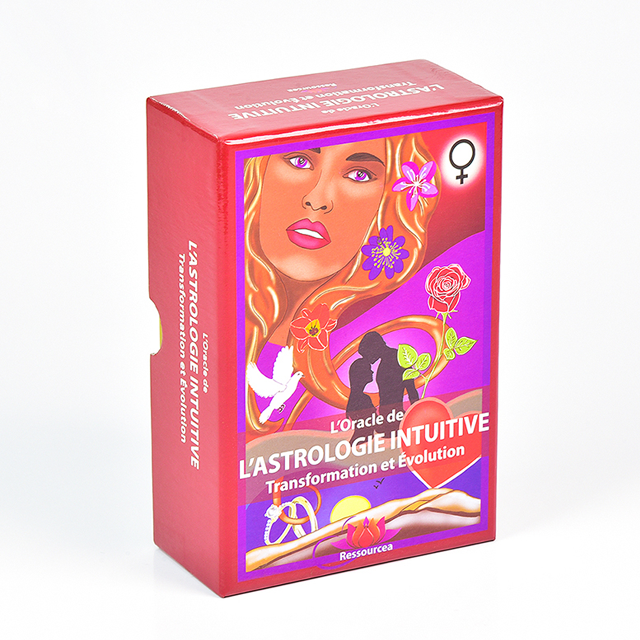
Choosing the Right Card Stock for Professional Custom Tarot Cards
GSM and Thickness: Finding the Balance Between Flexibility and Strength
GSM measures weight, not thickness. Two sheets at 300 GSM can feel very different. Density and core type change how a card bends and snaps back. Most professional tarot decks fall between 300 and 350 GSM. This range feels stable, yet still shuffles well. Heavier sheets work for large formats or display editions, though they may reduce comfort during long sessions. Testing different weights side by side often reveals which balance feels right for your audience.
Art Paper vs. Cardstock: Which Performs Better for Tarot Decks
Art paper lacks a core. It often feels smooth and thick, which suits premium display decks and collector editions. Cardstock includes a core layer that blocks light and adds strength. For daily use decks, cardstock usually holds up better. It resists warping and edge wear over time. Many commercial printers favor cardstock for retail projects because it performs consistently across large runs.
Black Core vs. Blue Core: Ensuring Opacity and Premium Feel
Core color matters when artwork runs dark or uses heavy ink. A blue core reduces show-through, yet bright light can still reveal shapes. A black core blocks light almost fully. It also feels denser in hand. Many brands use black core for professional custom tarot cards because it signals quality and prevents readers from seeing card faces through the back. Some experienced manufacturers highlight black core as a standard choice for decks intended for resale or professional readings.
How Card Stock Affects Printing Quality and Color Accuracy
Ink Absorption and Surface Coating Compatibility
Paper surface controls how ink sits. A porous surface absorbs color, which can mute tones. A coated surface holds ink on top, which sharpens detail and contrast. Matching stock to print method keeps colors consistent. Offset printing often pairs well with coated stocks, while digital printing may perform better on slightly more absorbent surfaces.
Preventing Show-Through on Dark or High-Contrast Designs
High-contrast designs reveal flaws fast. Thin sheets allow shadows to pass through. Black core and higher GSM reduce this risk. Designers who test samples often see this difference under bright lamps. Many production teams recommend placing a printed card over a light source to check opacity before approving a full run.
Maintaining Consistent Color Across Large Print Runs
Large runs rely on stable materials. Offset presses deliver steady color, yet paper choice still matters. A consistent stock reduces variation between batches. This helps brands keep decks looking the same across restocks, which is important for retail partners and long-term product lines.
Selecting the Best Finish for Custom Tarot Cards
Matte vs. Glossy Finish: Readability, Glare, and Visual Impact
Matte finishes reduce glare. Readers can view cards under bright light without reflection. Colors appear softer, which suits modern or minimalist art. Glossy finishes boost contrast. They make bright art pop, yet can show fingerprints and reflections. Choosing between them often depends on where and how the deck will be used.
Linen Finish for Shuffle Feel and Grip
Linen finishes add texture to the surface. Small air pockets form between cards, letting them slide past each other during shuffling. Many professional readers prefer this feel because it reduces sticking and fatigue during long sessions. It also adds a subtle, traditional look that signals craftsmanship.
Soft Touch and Specialty Finishes for Premium Editions
Soft touch finishes feel velvety and smooth. They signal luxury and often pair with limited runs. They also add cost and may show wear faster if handled often. Specialty options like gold foil edges or spot gloss accents can elevate presentation, yet should be used carefully to avoid overwhelming the design.
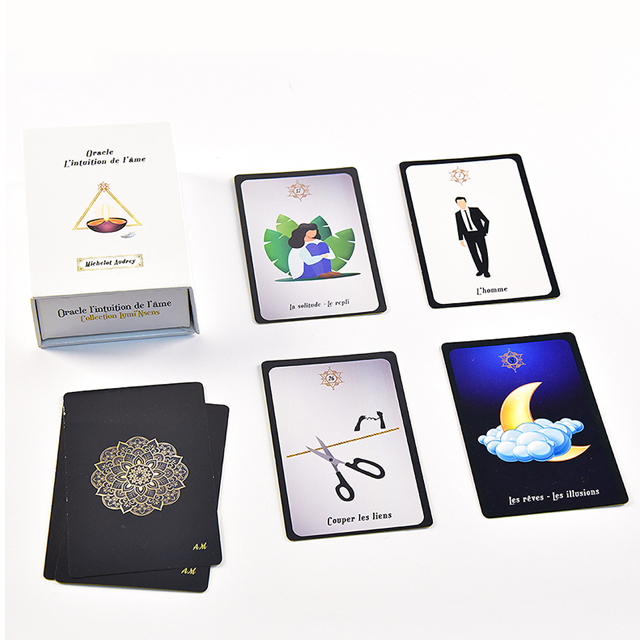
Matching Card Stock and Finish to Your Tarot Deck’s Purpose
Frequent-Use Decks vs. Collector or Display Editions
A working deck benefits from black core and a linen or matte finish. These choices support daily handling and easy shuffling. A collector deck may use art paper and soft touch finish to emphasize weight and smoothness. The purpose defines where to invest.
Large-Format Tarot Cards and Structural Stability
Large cards stress edges and corners. Thicker stock helps them stay flat. Lighter sheets may curl after repeated shuffles. Designers who plan oversized decks often test several weights to find one that holds shape without becoming rigid.
Eco-Friendly and Sustainable Card Stock Options
Some brands choose recycled fibers or certified paper sources. These sheets feel softer and absorb ink differently. They support brand values and appeal to environmentally conscious buyers. Testing remains essential, as color and finish can vary more on sustainable stocks.
Safe and Proven Combinations for First-Time Creators
Low-Risk Setups for Crowdfunding and Retail Sales
Many first-time creators choose 350 GSM cardstock with matte lamination. It prints well, feels solid, and stays within budget. This combination suits both small crowdfunding runs and larger retail orders.
Premium Pairings for Limited and Luxury Tarot Decks
A common upgrade uses 400 GSM art paper with soft touch finish. It feels heavy and smooth, which suits premium branding and collector markets. Some creators pair this with decorative edges for added impact.
Budget-Conscious Choices Without Sacrificing Professional Quality
Blue core cardstock with a matte coating can still look clean and durable. It reduces cost while meeting basic professional standards. This option works well for sample runs and early-stage projects.
Common Card Stock and Finish Pairings
Purpose | Card Stock | Finish | Result |
Daily reading deck | 330 GSM black core | Linen | Strong grip and smooth shuffle |
Retail standard | 350 GSM cardstock | Matte | Balanced feel and clean look |
Collector edition | 400 GSM art paper | Soft touch | Heavy and premium feel |
Printing Methods and Their Impact on Final Card Stock Performance
Digital vs. Offset Printing for Custom Tarot Cards
Digital printing suits short runs and prototypes. It offers fast turnaround and flexibility. Offset printing suits large runs. It delivers stable color and lower cost per unit at scale. Many professional card manufacturers support both methods, allowing creators to start small and scale up without changing materials.
Lamination, Coating, and Edge Finishing Considerations
Lamination adds a thin film layer. It increases thickness and protection. Coating adds a liquid layer that changes surface feel without much weight. Edge finishing, such as metallic or colored edges, enhances visual appeal. These options should align with the deck’s purpose and price point.
Quality Control and Sample Testing Before Mass Production
Always test samples. Check how cards bend, shuffle, and hold color. This step saves money and avoids customer complaints. Many full-service printing partners offer sample packs so creators can feel different stocks and finishes before committing.
Print Method Comparison
Method | Best For | Color Consistency | Cost per Unit | Setup Time |
Digital | Small batches | Moderate | Higher | Fast |
Offset | Large runs | High | Lower | Slower |
Common Mistakes When Choosing Card Stock and Finish
Overprioritizing Thickness Over Usability
Thick cards may look premium, yet feel stiff. Many readers prefer balance over weight. Testing real handling often reveals this.
Selecting Finishes Based Only on Photos or Mockups
Photos hide glare and texture. Real handling reveals how cards slide and reflect under light.
Skipping Physical Samples and Prototype Runs
Skipping samples risks costly errors. A small test run often reveals hidden issues, from color shifts to edge wear.
Light Integration of Professional Production Support
Many creators choose to work with experienced printing partners that offer one-stop production, from card stock selection to packaging design. Companies with long manufacturing backgrounds often provide guidance on black core paper, gold foil edges, and specialty finishes. This kind of support can help small brands achieve results that match larger, established studios, even at flexible order volumes.
Conclusion
Choosing the right card stock and finish shapes how a deck feels and lasts. Testing materials and matching finishes to real use builds trust and value. Smart choices help professional custom tarot cards stand out in a crowded market. YAHONG products support creators with durable stocks and premium finishes. They help turn strong designs into reliable decks readers enjoy.
FAQ
Q: How do I choose tarot card stock for professional custom tarot cards?
A: Use how to choose tarot card stock by matching GSM, black core, and shuffle needs to your deck’s daily use and print method.
Q: What is the best finish for custom tarot cards?
A: The best finish for custom tarot cards is matte for low glare, or linen for grip and smooth shuffling during frequent professional readings.
Q: Why do professional custom tarot cards use black core paper?
A: Black core paper tarot blocks light, improves durability, and gives professional custom tarot cards a premium feel for dark or double-sided designs.
Q: How much does professional custom tarot card printing cost?
A: Costs vary by small batch tarot card printing size, card stock weight, and finishes like gold foil tarot cards or soft touch lamination.
