

Many people create study cards expecting them to improve learning, yet after a short time they realize the cards are difficult to review or simply ineffective. Poorly designed cards can contain too much information, unclear layouts, or inconsistent formatting that makes them harder to remember. Effective Flash Cards are not simply pieces of paper with text on both sides. They are carefully structured learning tools designed to present information clearly, encourage memory recall, and support repeated review. Educational institutions, training departments, and content creators increasingly rely on professionally printed cards to deliver organized knowledge in a format that learners can easily absorb. Yahong Printing Technology, established in Shenzhen in 2001, has long specialized in producing educational cards, board games, and learning materials with reliable printing quality and durable materials. By understanding how to design flash cards correctly from the beginning, educators and organizations can build study tools that remain effective over time.
Start With the Learning Goal
A well-designed set of flash cards begins with a clear learning objective. Without a defined purpose, the cards often become a random collection of facts that lack structure.
Are the Cards for Study, Teaching, or Training
Different learning environments require different approaches. A student studying vocabulary needs cards that focus on short definitions and quick recall. Teachers designing classroom materials might require visual prompts or discussion questions. Corporate trainers often prefer cards that present scenarios or product knowledge.
Identifying the intended use helps determine the level of detail, the format of the cards, and the number of cards needed in the set.
What the User Needs to Remember or Do
Every card should help the learner perform a specific mental action. That action might involve recalling a word, identifying a concept, or explaining a process. When the goal is clear, the content becomes easier to organize.
For example, language learners may focus on recognizing words quickly, while technical training cards may emphasize understanding procedures.
Why One Clear Goal Creates Better Cards
Flash cards work best when each card represents one idea. Mixing multiple concepts on a single card can confuse the learner. When the purpose is clearly defined, the cards remain focused and easier to review.
A well-organized set built around a specific learning goal becomes far more effective than a large collection of unrelated information.
Decide What Goes on Each Card
After defining the learning objective, the next step is determining the type of information that should appear on the cards.
Questions and Answers
The classic flash card format uses questions on one side and answers on the other. This structure encourages active recall, where the learner must think of the answer before checking it.
This format is widely used in academic study because it promotes stronger memory retention compared with passive reading.
Terms and Definitions
Many flash cards focus on keywords and their explanations. This format works well for subjects that require memorization, such as terminology in science, medicine, or language learning.
By isolating each term on its own card, learners can review information quickly and identify which concepts need more attention.
Images, Diagrams, or Short Examples
Visual content can greatly improve comprehension. Diagrams help explain processes, while images can reinforce associations between words and concepts.
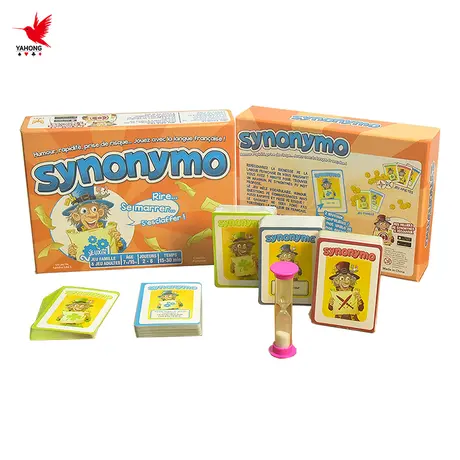
Educational flash cards often combine text with illustrations to help learners connect ideas more effectively. The flexibility of custom printed cards allows educators to design layouts that suit their specific content.
Keep the Design Simple Enough to Read Fast
Flash cards should deliver information quickly. Complicated layouts or dense text can slow down the learning process.
Card Size and Layout Choices
The physical size of the card affects usability. Cards that are too small may limit readability, while cards that are too large become inconvenient to handle.
A balanced size allows enough space for information while remaining portable. Consistent layout across the entire set also improves familiarity for the learner.
Font, Spacing, and Color Use
Readable typography is essential. Clear fonts, adequate spacing, and carefully chosen colors make information easier to process.
Colors may also help categorize topics. For example, different colors might represent different subjects or difficulty levels.
When Icons or Images Improve Understanding
Certain topics benefit from visual symbols. Icons can highlight key points or indicate the type of information on the card. Simple graphics often make content easier to recognize at a glance.
Thoughtful design decisions ensure that learners focus on the information rather than struggling with the format.
Organize the Set So It Is Easy to Review
An effective flash card system should allow learners to track their progress and review material efficiently.
Grouping by Topic or Difficulty
Dividing cards into categories helps learners approach information gradually. Beginners may start with basic concepts before moving to advanced topics.
Clear grouping also allows teachers or trainers to introduce cards in stages rather than presenting the entire set at once.
Numbering or Color Coding the Cards
Numbering cards creates an organized sequence that learners can follow. Color coding offers another layer of structure, helping users identify categories quickly.
These simple systems prevent confusion when dealing with large sets of cards.
Building Sets for Different Learners or Departments
Organizations often create multiple versions of flash cards to address different learning needs. Training departments may require specialized card sets for different teams.
Custom printed cards make it possible to adapt content and design for each group while maintaining consistent quality.
Test the Cards Before You Print in Quantity
Before producing large quantities of cards, testing the design ensures that the content works effectively.
Checking Clarity
During testing, instructors or trainers should observe how learners interact with the cards. If learners frequently misunderstand a question or struggle to read the content, the design may require adjustment.
Clarity is the most important factor for effective flash cards.
Removing Cards That Feel Repetitive
Sometimes multiple cards present nearly identical information. Simplifying the set improves efficiency and prevents learners from feeling overwhelmed.
Reducing unnecessary cards also keeps the study process more focused.
Improving Cards After Real User Feedback
Feedback from actual users often reveals small design issues that might otherwise go unnoticed. Adjusting wording, images, or layout based on feedback leads to stronger final materials.
Testing allows creators to refine the cards before investing in large-scale production.
Why Custom Printed Flash Cards Can Save Time Later
Professionally printed flash cards provide advantages that simple homemade cards cannot always deliver.
Better Consistency Across the Full Set
Custom production ensures that every card maintains the same dimensions, printing quality, and design style. This consistency improves the overall user experience.
Uniform cards are also easier to shuffle, organize, and store.
Easier Distribution in Classrooms or Teams
Organizations that train large groups benefit from having identical card sets for every participant. Printed flash cards allow instructors to distribute materials quickly and ensure that everyone works with the same content.
Stronger Presentation for Branded Training Materials
In corporate settings, professional presentation matters. Flash cards designed with company branding, colors, and consistent layout reinforce the identity of the training program.
Professionally manufactured cards also tend to last longer than improvised materials.
How to Build Better Flash Cards Step by Step
Step | What to Decide | Best Practice | Common Problem | Better Option |
Define Goal | Learning objective | Focus on one subject | Mixed topics | Separate card sets |
Select Content | Information type | One concept per card | Too much information | Short clear prompts |
Design Layout | Size and typography | Consistent format | Hard to read text | Clear fonts and spacing |
Organize Cards | Grouping system | Topic categories | Random order | Numbered sections |
Test and Improve | User feedback | Revise weak cards | Ignoring feedback | Adjust wording and design |
Conclusion
Creating effective Flash Cards requires more than simply writing information on small pieces of paper. The most successful cards are carefully designed around clear learning goals, simple layouts, and organized content that encourages active recall. By structuring each card around one concept and ensuring the entire set is easy to review, educators and organizations can build learning tools that remain effective for long periods of time. Yahong Printing Technology has over two decades of experience producing educational card products, puzzles, and board games with advanced printing equipment and strict quality control standards. When training institutions, schools, or companies need reliable learning materials, professionally produced study cards provide durability, visual consistency, and efficient distribution. If you are planning to develop custom flash cards for education or professional training, contact us to explore how your project can be produced with high-quality printing and reliable manufacturing.
FAQ
How many flash cards should be in one study set
The number depends on the subject and complexity of the material. Many effective sets contain between twenty and one hundred cards so learners can review information without feeling overwhelmed.
What information works best on flash cards
Flash cards are most effective when each card contains a single concept, such as a vocabulary word, question and answer, or short explanation.
Why are printed flash cards still widely used
Printed cards provide physical interaction and do not require electronic devices. They are convenient for classrooms, training sessions, and quick review sessions.
Can businesses use flash cards for employee training
Yes, many organizations create custom flash cards for product knowledge, safety training, and operational procedures to help employees remember key information quickly.
