

Learning tools come and go, yet some simple methods remain effective across generations. Among these tools, Flash Cards have maintained their place in classrooms, training rooms, and personal study routines for decades. Their enduring popularity comes from a straightforward idea: presenting information in small, focused pieces that encourage active engagement. From vocabulary practice to corporate knowledge training, flash cards continue to support learning in both academic and professional environments. Yahong Printing Technology, established in Shenzhen in 2001, has long specialized in the production of card-based products such as playing cards, educational cards, puzzles, and board games. With advanced printing technology and strict quality control, the company helps organizations and educators transform learning content into durable printed flash cards that support effective study and training.
What Flash Cards Actually Are
Understanding what flash cards are begins with recognizing their simplicity. A flash card is a compact learning tool designed to present information in a clear and memorable format.
The Basic Front-and-Back Format
A typical flash card contains information printed on both sides. One side usually presents a question, keyword, or prompt, while the reverse side contains the answer or explanation. This structure encourages learners to actively recall information rather than passively reading it.
Because the format is simple, flash cards can be adapted for many different subjects. Students might use them to memorize vocabulary, while professionals might use them to learn product specifications or training procedures.
What Kinds of Content Can Go on a Card
Flash cards are versatile because they can present many types of information. Some cards include single keywords and definitions, while others contain short questions and answers. Visual elements such as images, diagrams, or icons may also appear on the cards to clarify complex concepts.
For educational purposes, flash cards often combine text with illustrations to help learners associate ideas more effectively. In corporate training environments, cards may contain product descriptions, technical specifications, or customer service scenarios.
How Printed Flash Cards Differ From Generic Notes
Unlike traditional study notes, flash cards organize knowledge into clear units. Each card represents one concept or piece of information. This focused approach prevents information overload and allows learners to review material quickly.
Printed flash cards also offer physical interaction. Shuffling, sorting, and reviewing cards engages multiple senses, making the learning process more active and memorable.
Why Flash Cards Work for Memory and Recall
The effectiveness of flash cards comes from several principles of learning and memory. These principles make flash cards more than just simple study tools.
Active Recall in Simple Terms
Active recall occurs when learners attempt to retrieve information from memory rather than simply rereading it. Flash cards naturally encourage this process. When a learner sees a question on the card, they must think of the answer before turning the card over.
This mental effort strengthens memory connections and improves long-term retention.
Repetition Without Information Overload
Flash cards allow information to be reviewed repeatedly in short sessions. Because each card contains only a small piece of knowledge, learners can review many cards quickly without feeling overwhelmed.
Repeated exposure to the same concepts helps reinforce understanding over time.
Why Compact Learning Units Feel Easier to Use
Large blocks of text can discourage learners from reviewing material frequently. Flash cards break information into manageable pieces. Each card can be studied independently, making it easier to fit learning into short periods throughout the day.
This flexibility is one reason flash cards remain popular among students and professionals alike.
Where Flash Cards Are Most Useful
Flash cards appear in many learning environments because their structure supports different types of knowledge.
Classroom Learning
Teachers often introduce flash cards to reinforce classroom lessons. Students can practice new vocabulary, historical facts, mathematical formulas, or scientific terminology through quick review sessions.
Group activities with flash cards also encourage interaction between students, turning study time into a collaborative exercise.
Language Learning
Language acquisition requires repeated exposure to words and phrases. Flash cards provide a simple way to practice vocabulary regularly. Learners can review translations, pronunciation guides, or example sentences on each card.
Because the cards are portable, they allow language learners to study anywhere.
Corporate Training and Product Knowledge
Flash cards are not limited to academic settings. Many organizations use them during training programs to help employees remember important information. Product features, safety procedures, or service guidelines can all be organized into card-based learning systems.
For companies that introduce new products frequently, flash cards provide a convenient method for keeping staff informed.
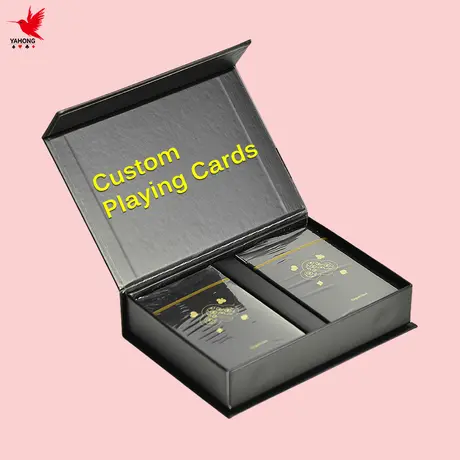
What Makes Custom Flash Cards Better for Specific Goals
Although generic flash cards are widely available, customized versions provide significant advantages when the learning objectives are specific.
Tailored Content Instead of Generic Examples
Custom flash cards allow organizations to design learning materials that match their exact needs. Educational institutions can create cards that align with their curriculum, while businesses can focus on product-specific knowledge.
This targeted approach ensures that every card contains relevant information.
Visual Consistency for Branding or Curriculum
Consistency is important when designing learning materials. Custom flash cards can incorporate consistent colors, typography, and imagery that match a school’s educational program or a company’s brand identity.
This visual alignment strengthens recognition and reinforces the message being taught.
Flexible Formats for Different Age Groups and Settings
Different audiences benefit from different card designs. Young learners may prefer colorful illustrations and larger fonts, while professional training cards might emphasize concise technical information.
Custom production allows these details to be adjusted according to the intended audience.
Common Mistakes That Make Flash Cards Less Effective
While flash cards are simple tools, certain design mistakes can reduce their effectiveness.
Too Much Text on One Card
Flash cards work best when each card focuses on one concept. Overloading a card with long explanations makes it harder for learners to process the information quickly.
Keeping the content concise improves clarity and retention.
Poor Organization Across Topics
A large collection of cards can become difficult to manage without proper organization. Grouping cards by subject or difficulty level helps learners review information systematically.
Clear categorization also allows instructors or trainers to introduce material gradually.
Using Cards Only for Memorizing Definitions
Flash cards can do more than present definitions. Scenario-based questions, images, or problem-solving prompts can encourage deeper understanding.
By expanding the types of content used on cards, educators can transform simple memorization tools into interactive learning aids.
Printed Flash Cards vs Digital Flash Cards
Modern technology has introduced digital flash card applications, yet printed cards remain widely used.
When Physical Cards Are Easier to Use
Printed flash cards provide tactile interaction that many learners find helpful. Physically handling cards allows users to sort them, group them, or remove mastered cards from the stack.
This physical interaction creates a more engaging learning experience.
When Digital Tools Are More Convenient
Digital flash card platforms offer advantages such as automatic scheduling and mobile access. Learners can review cards on smartphones or computers without carrying physical materials.
For some users, these tools provide flexibility in busy schedules.
Why Many Programs Still Use Printed Sets
Despite digital alternatives, printed flash cards remain popular in classrooms and training environments. They do not require devices or internet access, and they encourage face-to-face interaction during group activities.
High-quality printing also ensures that cards remain durable during repeated use.
Where Flash Cards Work Best
Use Case | Typical Content | Why Flash Cards Help | Why Customization Matters |
Classroom learning | Vocabulary, formulas, concepts | Encourages active recall | Matches school curriculum |
Language study | Words and translations | Repetition builds memory | Allows themed vocabulary sets |
Corporate training | Product features, service steps | Quick knowledge review | Aligns with company training materials |
Educational programs | Diagrams and visual prompts | Visual learning support | Tailored to student level |
Conclusion
The lasting effectiveness of Flash Cards comes from their ability to simplify complex information into clear and memorable learning units. By encouraging active recall and repeated review, they help learners retain knowledge more efficiently across academic, professional, and personal environments. Yahong Printing Technology has spent more than twenty years producing high-quality card products, including educational flash cards, board games, puzzles, and playing cards. With advanced printing equipment, experienced engineers, and international quality certifications, the company continues to support organizations worldwide in developing durable learning materials. When educational institutions or businesses need customized learning tools, professionally printed learning cards can provide both clarity and reliability. If you are interested in creating custom flash cards for educational programs or training purposes, contact us to explore how your ideas can become professionally produced learning materials.
FAQ
What are flash cards used for in education
Flash cards are commonly used to help students memorize vocabulary, formulas, and key concepts. Their simple format allows learners to review information quickly and repeatedly.
Why are flash cards effective for learning
Flash cards promote active recall and repetition. These techniques strengthen memory connections and improve long-term knowledge retention.
Can businesses use flash cards for employee training
Yes, many companies design flash cards for product knowledge training, safety procedures, and customer service guidelines.
What information can be printed on custom flash cards
Custom flash cards can include text, images, diagrams, questions, answers, and other educational content designed for specific learning goals.
