

A creative idea for a board game often begins as a sketch on paper or a discussion among friends. Turning that idea into a real product, however, requires a structured process and the right production capabilities. A well-designed Custompoly Board Game combines gameplay design, visual presentation, durable materials, and reliable manufacturing. When these elements come together correctly, the result is not only a fun game but also a professional product suitable for education, promotion, family entertainment, or commercial distribution. Companies like Yahong Printing Technology have spent years refining the production process that turns concepts into finished tabletop games. Understanding how a game evolves from an idea into a fully printed product helps creators design better experiences and make smarter decisions during development.
What a Custompoly Board Game Usually Includes
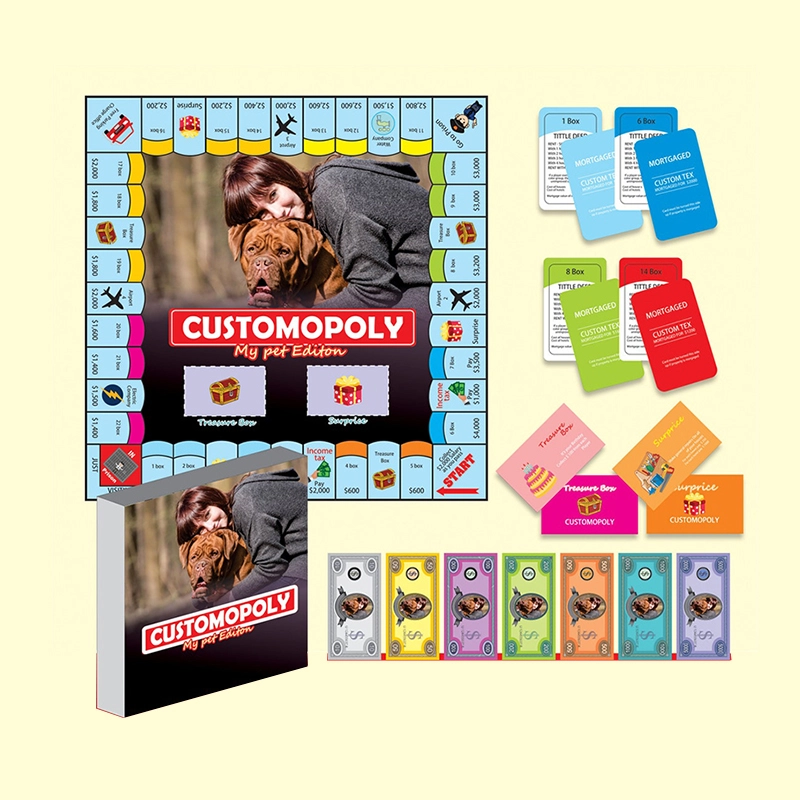
A complete tabletop game is much more than a printed board. Each component works together to create the overall experience players enjoy. Understanding these parts helps designers build games that are both engaging and practical to produce.
The Game Board as the Visual Center
The board itself is often the focal point of a tabletop game. It displays the environment, progression path, or strategic layout that guides players during gameplay. A board must balance visual appeal with clarity so players can easily understand movement, scoring areas, and rules. High-quality printing and durable board material are essential because the board will be handled repeatedly over time.
Supporting Pieces That Shape Gameplay
Game pieces define how players interact with the board. Cards may introduce random events or strategic options. Tokens track progress, points, or resources. Dice create unpredictable outcomes that add excitement to each round. Some games include tiles or markers that allow the board to change during play, increasing replay value. All of these components must be designed with consistent style and proper sizing so that the game feels cohesive.
Why Packaging Matters More Than Many First-Time Creators Expect
Packaging is often underestimated during early development. A well-designed game box protects the components, organizes the pieces, and communicates the theme before the box is even opened. Inserts inside the box can hold cards, tokens, and boards neatly, making setup faster and improving the user experience. When the packaging is thoughtfully designed, it also strengthens the perceived value of the game.
Start With the Purpose Before You Design Anything
Many board game ideas begin with an interesting mechanic or story. Yet the most successful projects start by defining the purpose of the game and the audience who will play it.
Is It for Family Play, Education, Events, or Brand Promotion
Different goals lead to very different designs. A family game should be simple to learn and encourage social interaction. Educational games must clearly present knowledge while remaining enjoyable. Event or promotional games often highlight a brand message or product story. By deciding the purpose early, designers can focus their development on the most important aspects of the experience.
Who the Target Players Are
Understanding the players is equally important. Children require clear visuals and simple rules. Adults may enjoy deeper strategy or longer gameplay sessions. Corporate training participants might benefit from scenario-based challenges that encourage discussion. The number of players and their expected skill level also influence the structure of the game.
How Play Time and Difficulty Affect the Final Structure
Games with shorter play times often rely on simple mechanics and quick turns. Longer strategic games usually include more components, detailed rules, and layered decision-making. Determining the desired complexity early helps designers avoid unnecessary changes later in the development process.
Turn the Idea Into a Playable Structure
Once the purpose and audience are clear, the next step is transforming the concept into a playable system.
Building the Basic Rules
Rules define the experience. They determine how players move, what actions they can take, and how someone eventually wins the game. Good rules are easy to understand but still allow meaningful choices. Clear language and logical progression are essential so that new players can learn the game quickly.
Mapping the Player Journey From Setup to Finish
Every game has a flow. It begins with setup, continues through several turns or phases, and eventually reaches a conclusion. Designers should think carefully about how players move through this journey. Moments of tension, cooperation, and competition keep players engaged.
Deciding Which Components Are Truly Necessary
It can be tempting to include many different components, but simplicity often creates a better experience. Each piece should serve a clear purpose. If a token, card, or board section does not enhance gameplay, it may be better to remove it.
Prototype First and Improve Fast
Before moving to full production, a prototype allows designers to test their ideas in real play situations.
What a First Prototype Should Do
An early prototype does not need polished artwork or premium materials. Its purpose is to confirm that the gameplay works. Simple printed sheets or temporary tokens are enough to test the rules and interactions.
How to Collect Useful Playtest Feedback
Playtesting reveals how real players respond to the game. Observing players as they learn the rules, make decisions, and react to outcomes helps designers identify problems. Feedback about confusing rules or slow gameplay is especially valuable.
Common Early Mistakes That Make Games Confusing
New games sometimes include too many instructions or unclear objectives. Players may struggle if the board layout is difficult to interpret or if the rules require constant explanation. Iterative testing allows these issues to be corrected before production.
Choose Materials and Finishes That Fit the Game
After the design has been tested and refined, attention turns to the physical quality of the game.
Board Thickness and Durability
The board must withstand repeated folding and unfolding. Thicker materials provide durability and a premium feel. Lamination or special coatings can protect the surface from scratches and wear.
Card Stock, Print Quality, and Handling Feel
Cards are among the most frequently handled components in many games. Strong card stock prevents bending and maintains shape during extended play. Smooth finishes allow easy shuffling and improve the tactile experience.
Boxes, Inserts, and Storage Convenience
Game boxes should be sturdy and visually appealing. Internal inserts can organize pieces and reduce setup time. Thoughtful storage design ensures that players can quickly prepare for the next session.
Prepare Your Files for Production
Moving from prototype to mass production requires careful preparation of artwork and instructions.
Artwork Consistency Across All Components
Visual elements such as colors, fonts, and illustrations must remain consistent across the board, cards, tokens, and packaging. This consistency strengthens the identity of the game and makes the experience more immersive.
Rulebook Clarity and Final Checks
A well-written rulebook helps players learn the game independently. Instructions should follow a logical order and include diagrams when necessary. Clear formatting ensures that players can quickly find answers to questions during gameplay.
Why Production-Ready Files Save Time and Cost
Properly prepared files reduce production delays and prevent printing errors. When artwork and layouts are finalized before manufacturing begins, the entire process becomes smoother and more efficient.
From Game Idea to Finished Custompoly Board Game
Stage | Main Task | Key Deliverable | Common Mistake | Yahong Support Opportunity |
Concept | Define theme and gameplay | Game idea outline | Too broad concept | Early design guidance |
Prototype | Test rules and flow | Playable test version | Overcomplicated mechanics | Component sample advice |
Playtesting | Gather feedback | Improved rule system | Ignoring player feedback | Design refinement |
Production Setup | Finalize artwork | Production-ready files | Inconsistent layouts | Print preparation |
Manufacturing | Produce components | Finished board game | Weak packaging design | Full game printing |
Conclusion
Creating a successful board game involves much more than printing a board and a few cards. A thoughtful process that includes defining the purpose, designing clear rules, testing gameplay, selecting durable materials, and preparing production-ready files is essential. When these steps are followed carefully, the final product becomes both enjoyable and professionally manufactured. Yahong Printing Technology has developed the expertise and production capacity to transform creative ideas into high-quality tabletop games. Designers and businesses who want to bring a custom board game concept to life can benefit from working with an experienced production partner that understands every stage of the process. If you are planning a new tabletop project and want to explore professional production possibilities, contact us to discuss your ideas and start your game development journey.
FAQ
What is a Custompoly Board Game used for
A Custompoly Board Game can be used for entertainment, educational programs, marketing campaigns, or corporate training activities. Its customized design allows the game to reflect specific themes or learning goals.
How long does it take to produce a custom board game
Production time depends on the complexity of the components and the quantity required. Design preparation, sampling, and final manufacturing all contribute to the overall timeline.
What components can be included in a custom board game
A game may include boards, cards, dice, tokens, tiles, rulebooks, and packaging. The combination of components depends on the gameplay and design concept.
Why are prototypes important before production
Prototypes allow designers to test gameplay and improve the rules before committing to large-scale manufacturing. This step helps ensure the final game is enjoyable and functional.
