

A creative tabletop project usually begins with one important question: what should the game actually be about? Many organizations, educators, and creative teams have the desire to produce a game but struggle to determine the theme that will make it meaningful for players. A well-designed Custompoly Board Game does not simply rely on attractive artwork or colorful pieces. Instead, it is built on a clear foundation that shapes the story, gameplay mechanics, and player experience. When the core idea is strong, every component—from the board layout to the cards and packaging—works together naturally. Yahong Printing Technology, a professional card and board game manufacturer established in Shenzhen in 2001, has supported numerous global clients in transforming creative themes into complete tabletop products. Understanding what a custom game can be based on is the first step toward designing a board game that feels purposeful, memorable, and engaging.
Brand Stories and Product Promotion
For many companies, a board game can become a powerful communication tool. Instead of presenting information through traditional brochures or presentations, a game allows players to interact with a brand in a dynamic and memorable way.
Turning Company History Into Gameplay
Corporate milestones, company values, and product development journeys can all be transformed into game mechanics. Players might move across a board that represents the timeline of a company’s growth or complete tasks that reflect real-world achievements. This approach allows participants to experience the story rather than simply reading about it.
When brand narratives become part of gameplay, the learning experience becomes immersive. A board game designed around a company’s journey can highlight innovation, teamwork, and major achievements while maintaining an entertaining atmosphere.
Making Products Easier to Explain Through Interaction
Many products or services involve complex processes that can be difficult to explain through static materials. A board game provides an opportunity to demonstrate these processes step by step. Cards may represent features, benefits, or challenges associated with the product, while gameplay encourages players to explore different scenarios.
By interacting with the game, participants gain a clearer understanding of how the product works. This type of engagement often leads to better retention compared with passive forms of communication.
When Branded Games Work Better Than Brochures
Traditional promotional materials often compete for attention. A board game, however, invites participation. Trade shows, corporate events, and product launches benefit from activities that encourage visitors to stay longer and engage with the brand. A customized tabletop game can create exactly that type of experience.
In these situations, the game becomes both an entertainment piece and a communication platform, allowing companies to present information while maintaining an enjoyable atmosphere.
Education and Skill Building
Another popular foundation for a custom tabletop game is education. Games can simplify complex subjects and transform learning into an interactive activity.
Classroom Learning Objectives
Teachers often look for ways to make lessons more engaging. A board game can reinforce key concepts through repetition and participation. Subjects such as language learning, mathematics, geography, and history can all be integrated into gameplay mechanics.
Players may answer questions, solve challenges, or collect knowledge cards as they move through the game board. This format allows students to absorb information while enjoying the learning process.
Corporate Training Scenarios
Organizations frequently use interactive tools to support employee training. Topics such as leadership development, communication skills, product knowledge, and customer service can all be integrated into a board game structure.
Participants learn by solving scenarios, making decisions, and discussing outcomes with teammates. This method encourages collaboration and practical thinking rather than passive listening.
Why Active Participation Improves Retention
Learning improves when people actively participate in the process. Games naturally promote discussion, problem solving, and teamwork. When players are involved in making decisions, the information presented during the game becomes easier to remember.
A well-designed educational game balances fun with clear learning objectives. The structure of the game ensures that each round reinforces key ideas without overwhelming players.
Family Memories and Personal Milestones
Beyond professional or educational settings, customized board games are increasingly used to celebrate personal experiences and relationships.
Wedding, Anniversary, and Birthday Themes
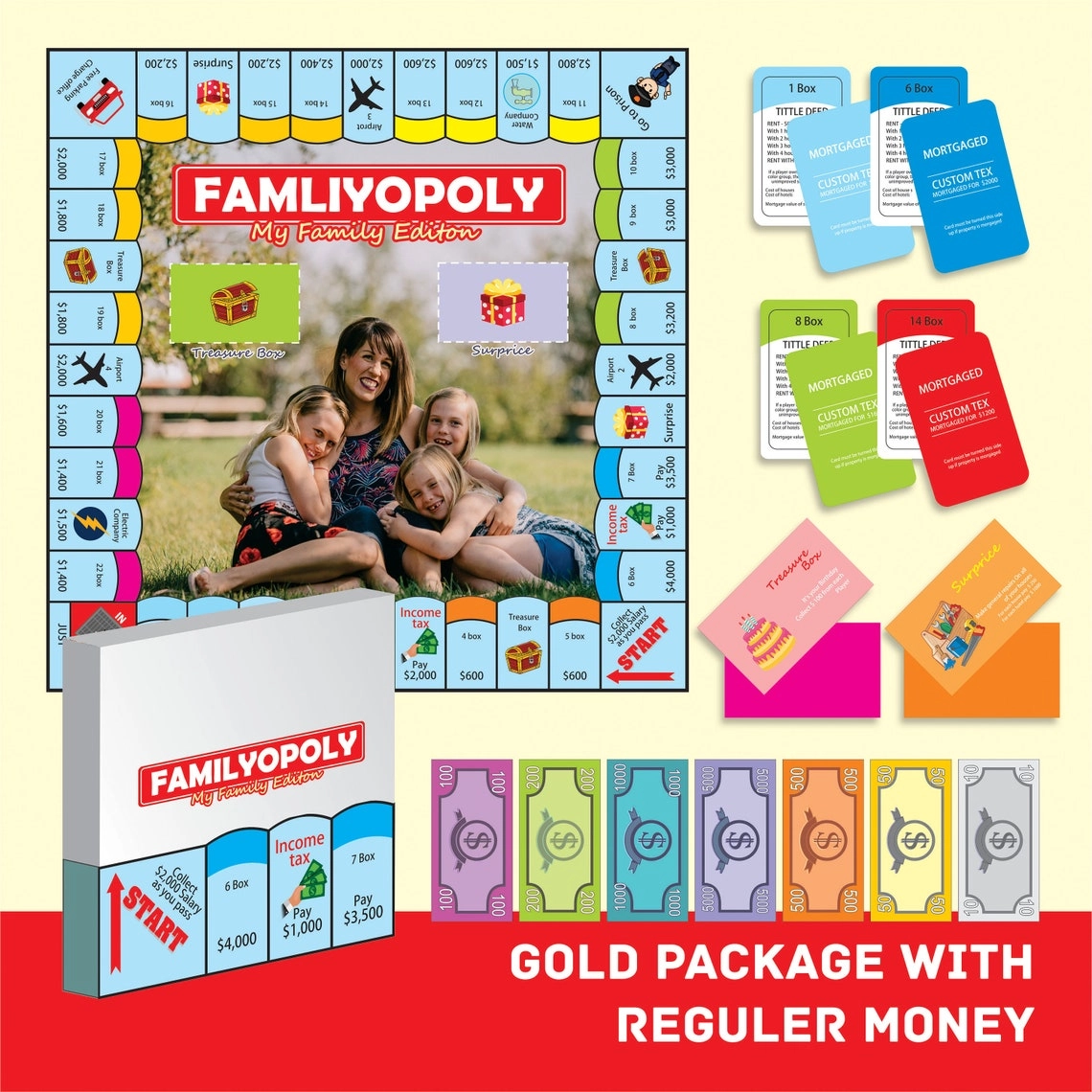
Special occasions often inspire personalized gifts. A board game designed around a wedding story, a couple’s shared experiences, or a family celebration can become a meaningful keepsake. The board may represent important locations, while cards describe memorable events or challenges.
Because the game reflects personal experiences, it creates emotional connections that ordinary gifts may not achieve.
Travel Memories and Shared Experiences
Families and friends often share memorable trips and adventures. These experiences can be transformed into the structure of a game, allowing players to revisit those moments during each session.
For example, players might travel across a board that represents different destinations, collecting souvenirs or completing challenges based on real experiences.
Why Personalized Content Increases Emotional Value
Personalization turns a game into something unique. When players recognize their own memories or stories within the design, the experience becomes more meaningful. The game becomes both entertainment and a record of shared experiences.
Team Building and Workplace Culture
Organizations frequently search for creative ways to strengthen teamwork and improve communication. Board games provide an ideal environment for collaborative problem solving.
Communication-Based Challenges
Games designed for team building often include tasks that require discussion and coordination. Players may need to share information, negotiate decisions, or combine resources to complete objectives.
These challenges encourage employees to communicate openly and understand different perspectives.
Problem-Solving and Decision-Making Mechanics
Strategic gameplay can mirror real workplace situations. Players might analyze risks, allocate resources, or choose between multiple solutions to progress through the game.
Such mechanics help participants practice decision-making skills in a relaxed environment where experimentation is encouraged.
Making Onboarding or Internal Culture More Engaging
For new employees, learning about company culture and processes can sometimes feel overwhelming. A board game can introduce these concepts in a structured but enjoyable format.
Through gameplay, participants gradually learn about organizational values, departments, and workflows.
Hobbies, Fan Communities, and Niche Interests
Many successful board games are built around specific hobbies or communities. These themes appeal strongly to players who share the same interests.
Sports, Pets, Travel, Books, and Fandom Themes
Popular hobbies provide rich material for game design. Sports fans might enjoy a strategy game based on tournament progression. Pet lovers could play a game focused on caring for animals. Travel enthusiasts may enjoy exploring destinations through gameplay.
Because these topics already attract passionate audiences, games built around them often generate strong engagement.
Why Niche Topics Often Create Stronger Engagement
When a game focuses on a specific interest, players feel a deeper connection with the theme. The rules, artwork, and narrative can reflect details that resonate with the community.
This authenticity makes the experience more immersive and enjoyable.
Matching Game Complexity to Audience Enthusiasm
Some hobby communities prefer simple, casual games, while others enjoy complex strategies. Designers should match the level of difficulty to the expectations of the audience. Understanding player preferences helps ensure that the final game feels balanced and enjoyable.
Which Base Works Best for Different Goals
Selecting the right theme depends largely on the purpose of the project. Different foundations serve different objectives.
Best for Sales Promotion
Brand-focused games work well for marketing campaigns and product demonstrations. These games highlight company stories and product features while encouraging interaction.
Best for Education
Educational games are ideal for classrooms and training programs. They combine learning objectives with gameplay mechanics that promote participation.
Best for Gifts and Personal Use
Personalized themes based on memories or relationships create unique gifts that carry emotional meaning.
Best Content Bases for a Custompoly Board Game
Game Base | Best Use Case | Typical Players | Recommended Components | Business Value |
Brand Promotion | Marketing campaigns | Customers and visitors | Game board, cards, tokens | Strong brand engagement |
Education | Classroom learning | Students and teachers | Question cards, score tokens | Knowledge reinforcement |
Corporate Training | Employee development | Staff teams | Scenario cards, task boards | Skill improvement |
Personal Memories | Gifts and celebrations | Families and friends | Customized boards and cards | Emotional connection |
Hobby Communities | Entertainment | Fans and enthusiasts | Strategy boards and themed pieces | High engagement |
Conclusion
Every successful game begins with a strong concept. A Custompoly Board Game becomes truly memorable when its theme reflects a clear purpose, whether that purpose is education, promotion, celebration, or entertainment. By selecting a meaningful foundation, designers can create gameplay that naturally supports the message or experience they want to deliver. Yahong Printing Technology has spent more than two decades manufacturing card games, puzzles, educational cards, and board games for global clients, supported by advanced printing equipment and strict quality control systems. With experience serving international brands and organizations, the company continues to help creative teams transform ideas into professional tabletop products. If you are planning to develop a personalized board game, contact us to explore how your concept can become a fully realized tabletop experience.
FAQ
What themes can a Custompoly Board Game be designed around
A Custompoly Board Game can be based on brand stories, educational topics, personal memories, hobbies, corporate training, or promotional campaigns. The theme depends on the intended audience and purpose.
Why are board games effective for brand promotion
Board games encourage interaction and participation, allowing players to engage with a brand message in an enjoyable and memorable way.
Can a board game be used for education or training
Yes, many organizations design games specifically for learning environments. Gameplay mechanics can reinforce concepts, encourage discussion, and improve retention.
What components are typically included in a custom board game
Common components include a printed board, playing cards, tokens, dice, tiles, rulebooks, and packaging designed to organize and protect the pieces.
